The Last Spritz

Popular fragrances

Editor's Pick

Timeless Classics Every Man Should Own

11 picks13 min read

11 bottles the rest of the men's counter is still answering to. Aventus (2010) earned its slot. Bleu de Chanel (2014) earned its slot. Eau Sauvage (1966) earned its slot — the foundational clean-citrus masculine the whole modern fresh category descends from. What's below isn't a museum tour. It's the working rotation a man can build today and still smell deliberate in 2036.

You don't need all 11. You need the right one for what your collection is missing — the picks run loose-chronology so you can scan for what's already on your shelf and what isn't. Start where the gap is.

Quick Picks — Our Top 3

The Modern Niche Standard
Score92/100

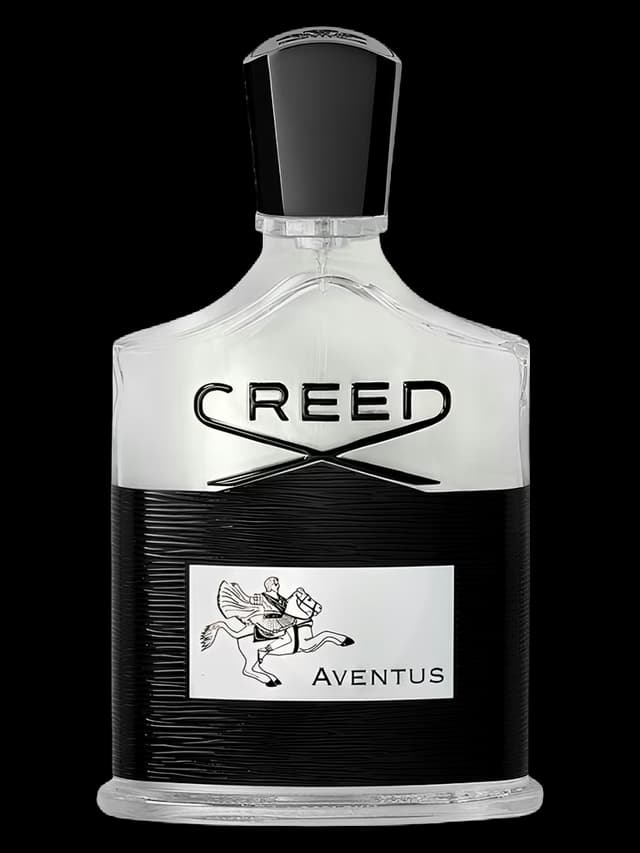
Creed Aventus

CreedEDP

Smoky pineapple that shouldn't work, does work, and makes people ask what you're wearing hours later.
Creed Aventus

Aventus is the niche release that became a category. Pineapple and blackcurrant braided with smoky birch in the opening — fruit and fire in the same accord, and twenty years of clones haven't dulled how immediately recognizable it is. The drydown lands on oakmoss, musk, and a soft vanilla that cools the smoke into something almost creamy by hour four. Nothing else does this.

The price is the price. $300+ for a 100ml you'll wear three times a week if you let yourself. Batch-variation discourse is mostly hobbyist noise at this point — modern bottles are consistent enough that buying one isn't a gamble. The Armaf clone gets the opening close and the base wrong, which is the exact gap that justifies the original. See the full breakdown.

Modern but Timeless
Score94/100

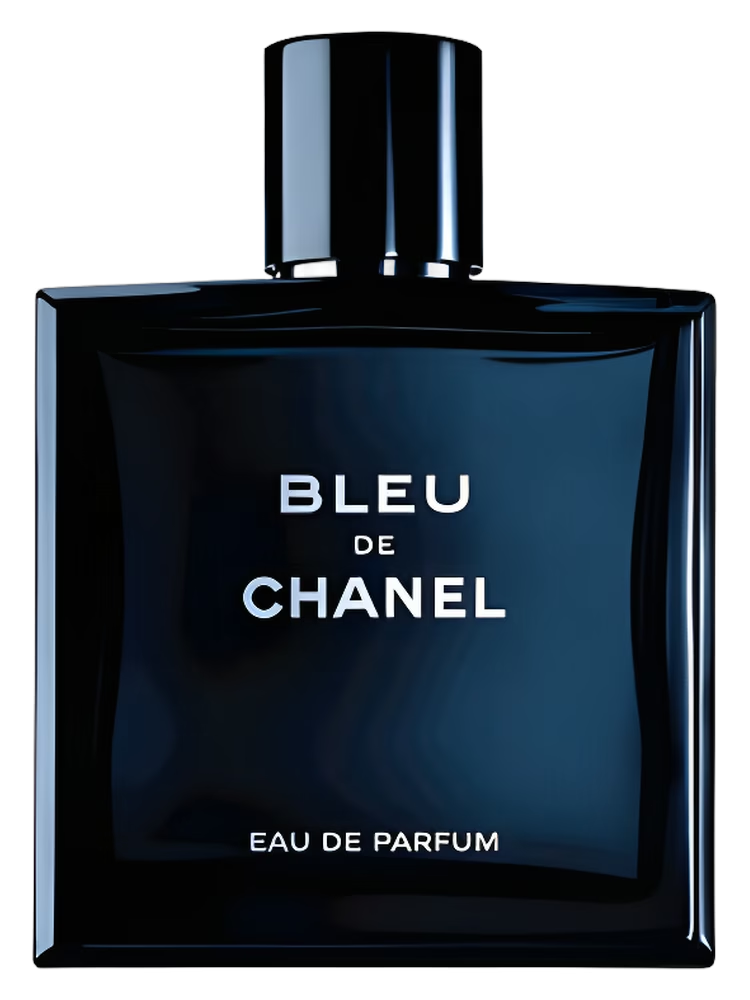
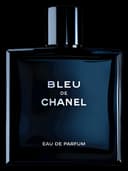
Bleu de Chanel EDP

ChanelEDP

A navy blazer in liquid form — never the most exciting choice, always the right one.
Bleu de Chanel EDP

Bleu de Chanel is what most men actually mean when they say they want "a nice cologne." Jacques Polge composed it in 2014 and somehow figured out how to put citrus, mint, and dry sandalwood into the same bottle without any of them stepping on each other. There is genuinely no situation we've tested it in where Bleu reads wrong — the boardroom, the first date, the funeral, the brunch.

The EDP is the one to buy. The EDT fades in four hours and the Parfum is overkill outside of cold weather. Expect eight to ten hours of close-range presence on most skin, two sprays handles the day. As a no-friction default for the next decade, this is one of the two or three answers we'd defend without caveats. We will fight you on this less than we will fight you on almost anything. See the full breakdown.

The Cold-Weather Heavy-Hitter
Score93/100

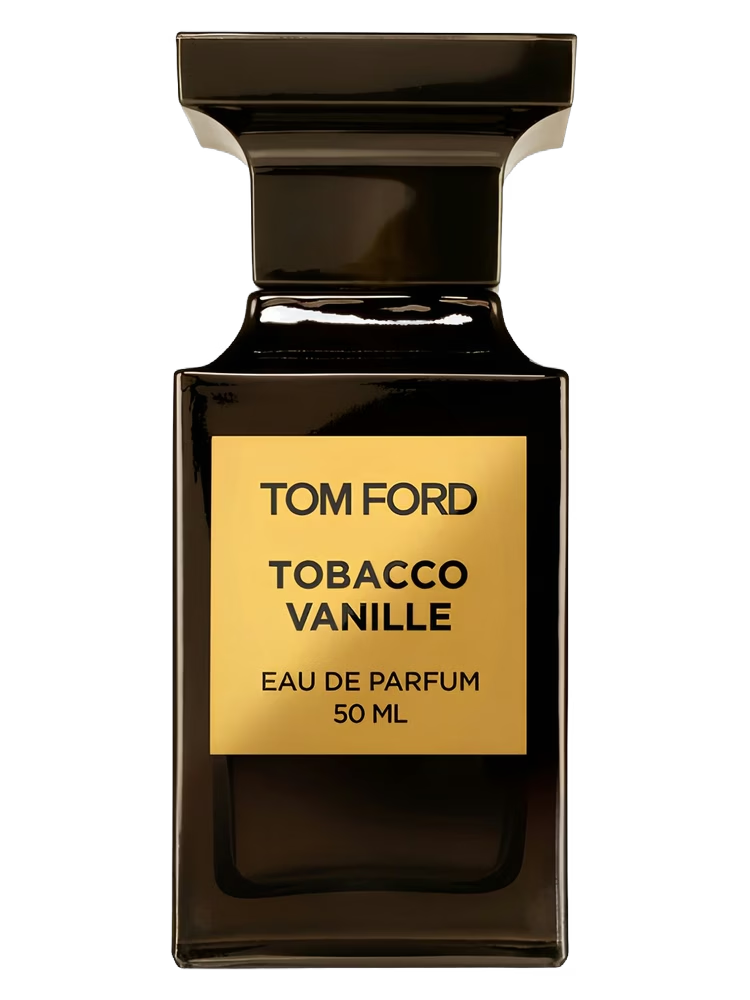
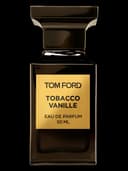
Tom Ford Tobacco Vanille

Tom FordEDP

Rich, sweet, room-filling, and unapologetic. One spray creates sillage. Two sprays creates an event.
Tom Ford Tobacco Vanille

Tobacco Vanille is a fragrance that knows exactly what it is and refuses to apologize for any of it. Dried tobacco leaf, cacao, tonka bean, and vanilla in the opening — sweet and dark and slightly indecent, the spice notes (ginger and anise) keeping it from tipping into pure dessert. The drydown adds dried fruit and wood resin and somehow gets richer over the next twelve-plus hours instead of fading.

One spray fills a room. Two sprays fills next week — your jacket will smell like Tobacco Vanille for days and you will eventually stop being surprised by this. Cold weather only; wearing it in July is an act of aggression. The 50ml bottle is the right size because you'll use it sparingly. The price is the price. Every other tobacco-vanilla since 2007 owes Gillotin a royalty, and most of them know it. See the full breakdown.

The Sophisticated One
Score87/100

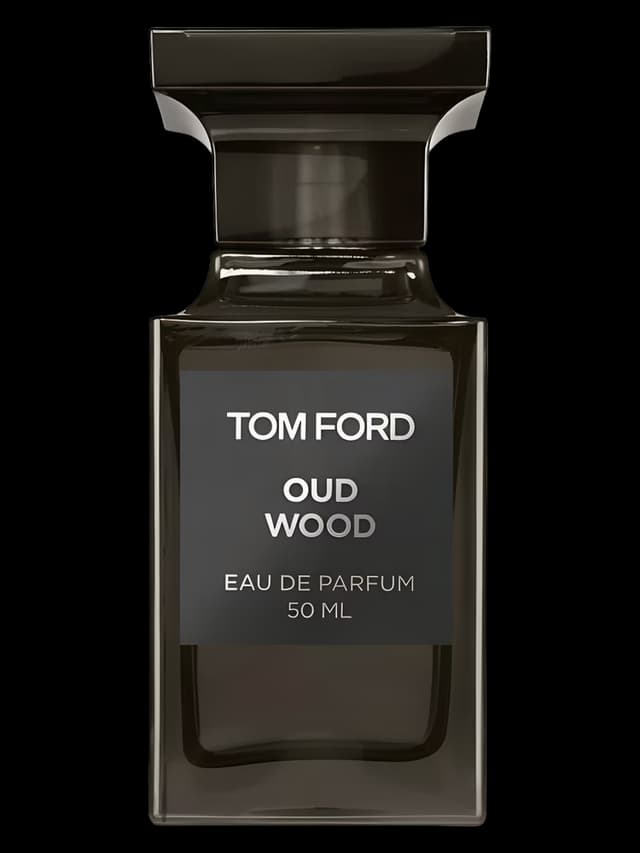
Tom Ford Oud Wood

Tom FordEDP

The masterpiece of restraint. Doesn't announce itself. Just smells expensive and sophisticated from first spray to last trace.
Tom Ford Oud Wood

Oud Wood is the Tom Ford bottle for the wearer who's tired of filling rooms. Smooth oud — the polished interpretation rather than the medicinal-stable traditional kind — with cardamom and Sichuan pepper for spice, sandalwood and vetiver in the heart, tonka and amber holding the base. The whole composition reads expensive without ever insisting on it.

Six to eight hours of close-range presence. Oud Wood was never trying to clear a conference room, and the projection stays within a foot of your collar most of the day. Wear it when your existing rotation already has a beast for compliments and you want something sophisticated for the days you're not chasing them. The Intense version pushes harder if you find the original too quiet. See the full breakdown.

The Anti-Loud Pick
Score92/100

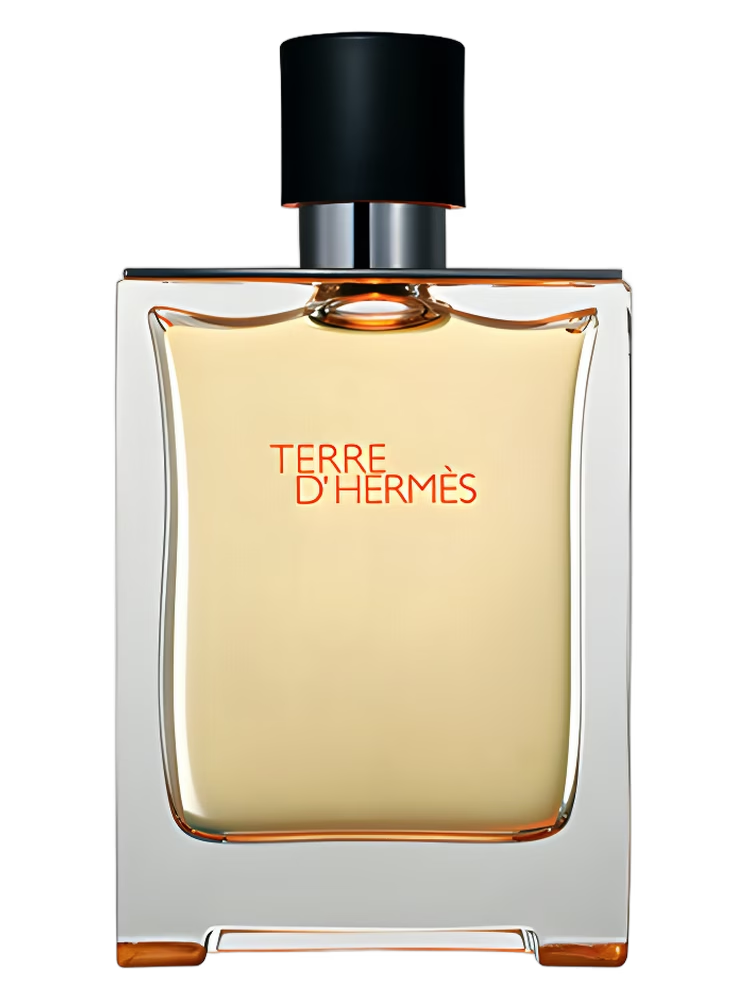
Terre d'Hermès EDT

HermèsEDT

The cologne for the guy who keeps a French press on his desk and doesn't think it's a personality.
Terre d'Hermès EDT

Jean-Claude Ellena composed Terre d'Hermès in 2006 as the deliberate antithesis of the ambroxan-saturated masculine counter, and it remains the rare designer fresh that doesn't insist on being noticed. Orange peel and grapefruit up top, a flint-pepper-geranium heart, vetiver and cedar in the base, the whole composition thinned with light. Smells like cold stone with citrus running over it.

Six to eight hours of close presence, moderate projection by design. The EDT is the one to buy; the Parfum is denser and the Eau Intense Vetiver pushes the vetiver harder, both worth knowing once you've lived with the original. One of the best dollar-per-spray values at the designer counter. Buy it when you're sick of being told to project harder. See the full breakdown.

The Modern Aquatic Original
Score87/100

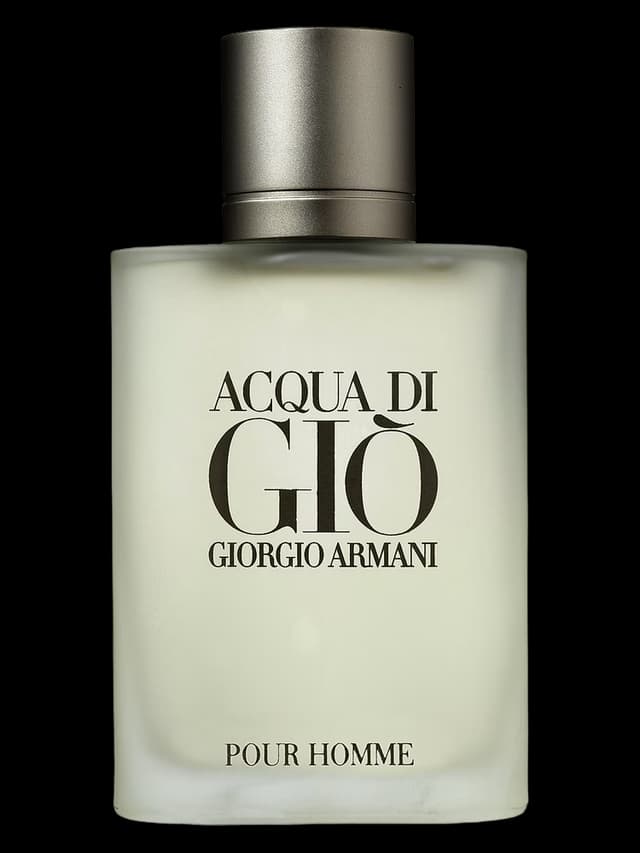
Acqua di Giò EDT

Giorgio ArmaniEDT

The cologne every dad in the suburbs has been wearing since 1996, and the one every actual enthusiast secretly wears two months a year.
Acqua di Giò EDT

Cool Water got there eight years earlier, but Acqua di Giò is what pushed the modern aquatic into the mainstream and onto every dad's nightstand in the country. Alberto Morillas built it around bergamot, sea notes, and neroli on top, a jasmine-rosemary-jojoba-extract heart, and a patchouli-cedar-oakmoss base that holds onto whatever air it can find. Smells like a Mediterranean morning even when you spray it in Cleveland.

The original EDT is light — four to six hours of close-range projection, which is exactly why you'll hear people complain. The 2023 Parfum fixed the longevity problem with a real base. If you want the historical reference and you can deal with reapplying, the EDT is still the bottle that earned the line. If you want it to last, get the Parfum. Both belong in the conversation. See the full breakdown.

The Sweet-Masculine Blueprint
Score90/100

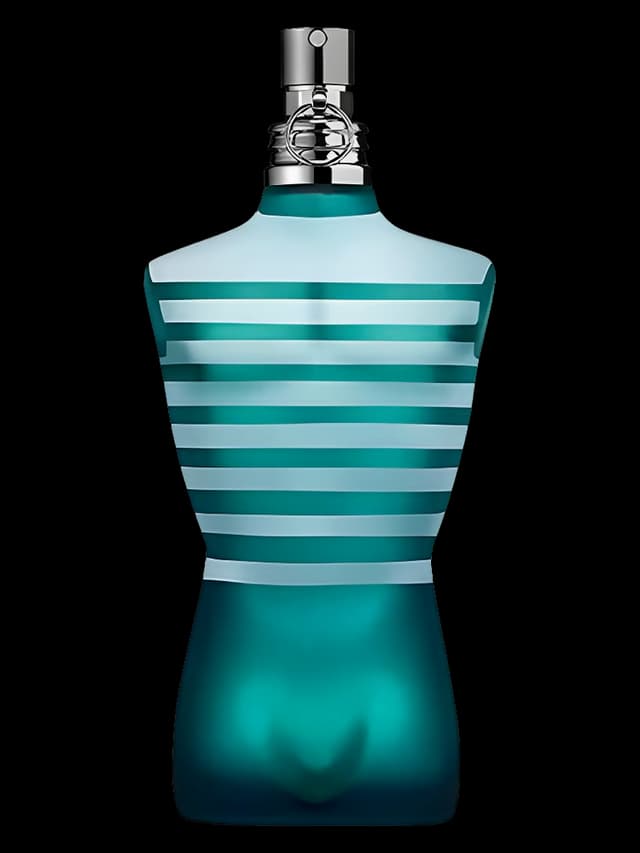
JPG Le Male EDT

Jean Paul GaultierEDT

The OG sweet masculine. Thirty years old, still filling rooms, still getting compliments.
JPG Le Male EDT

Le Male is the cologne that taught the rest of the industry that lavender and vanilla could share a bottle without anyone being weird about it. Francis Kurkdjian composed this in 1995 and the entire sweet-masculine genre — Sauvage, Eros, Y, every modern designer-sweet you can think of — owes him a royalty. Lavender, mint, cardamom up top. Vanilla, tonka, amber underneath. The corset-shaped bottle is the brand.

Six to eight hours, warm arm's-length projection that holds for the first three hours and settles close to skin after. The reformulation discourse runs perpetual — vintage is denser, modern is reasonable — but the modern bottle still smells unmistakably like Le Male and still gets compliments from people who've been smelling it since high school. Buy it when you're ready to wear something that started a category instead of something still chasing one. See the full breakdown.

The Genre-Inventor
Score78/100

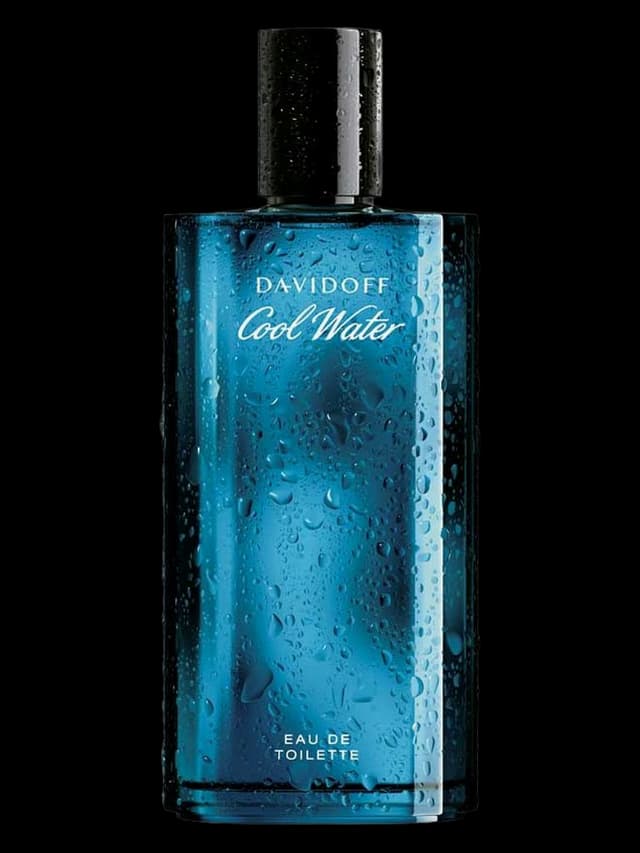
Davidoff Cool Water

DavidoffEDT

The cologne your dad wore in college, and the template every modern aquatic still pulls from.
Davidoff Cool Water

Cool Water invented the modern aquatic masculine. Pierre Bourdon released it in 1988, and Sauvage, Acqua di Giò, Bleu de Chanel — every blue bottle on the men's counter at Sephora traces a direct line back here. Mint, sea water, and rosemary up top. A lavender-geranium-neroli heart. Oakmoss, musk, and sandalwood in the base. The whole thing reads clean and slightly cold in the way the late eighties decided was masculine.

The modern bottle is lighter than the original — IFRA strikes again — but it remains absurd value at the price. Buy it for the historical context, wear it on warm weekends, and stop pretending you're too sophisticated for it. Half your favorite colognes are downstream from this one. See the full breakdown.

The Polarizer
Score88/100

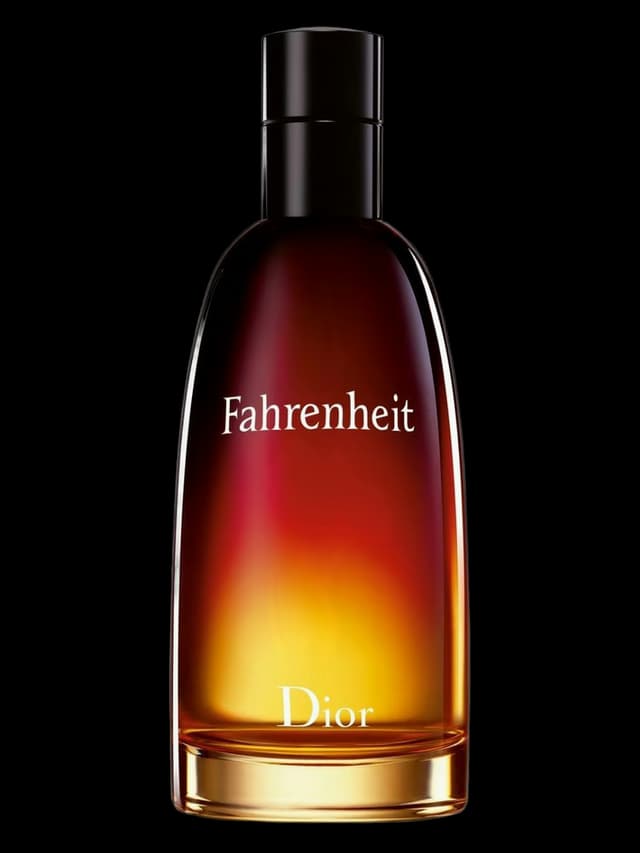
Dior Fahrenheit

DiorEDT

Smells like the guy in the leather jacket who actually understands the engine he's leaning against.
Dior Fahrenheit

Fahrenheit was famously divisive at launch in 1988 because it smelled like leather and gasoline shaking hands, and almost forty years later that's still mostly the deal. Sieuzac and Roger built something that opens with sharp green hawthorn and violet leaf, threads nutmeg through the heart, and lands on a leather-balsam-musk base that sits on skin until you shower it off. Nothing else at the designer counter smells like this. The clones tried; the clones missed.

It's not a fragrance for fitting in. It's the cologne you wear when you've decided you've had enough of fitting in. The EDT is the one to buy; the Absolute is denser and the EDP is the middle ground. Cold weather earns Fahrenheit a slot; warm weather pushes the petrol facet into territory most people aren't ready for. Buy it when your other bottles all play too safe. See the full breakdown.

The Powerhouse
Score72/100

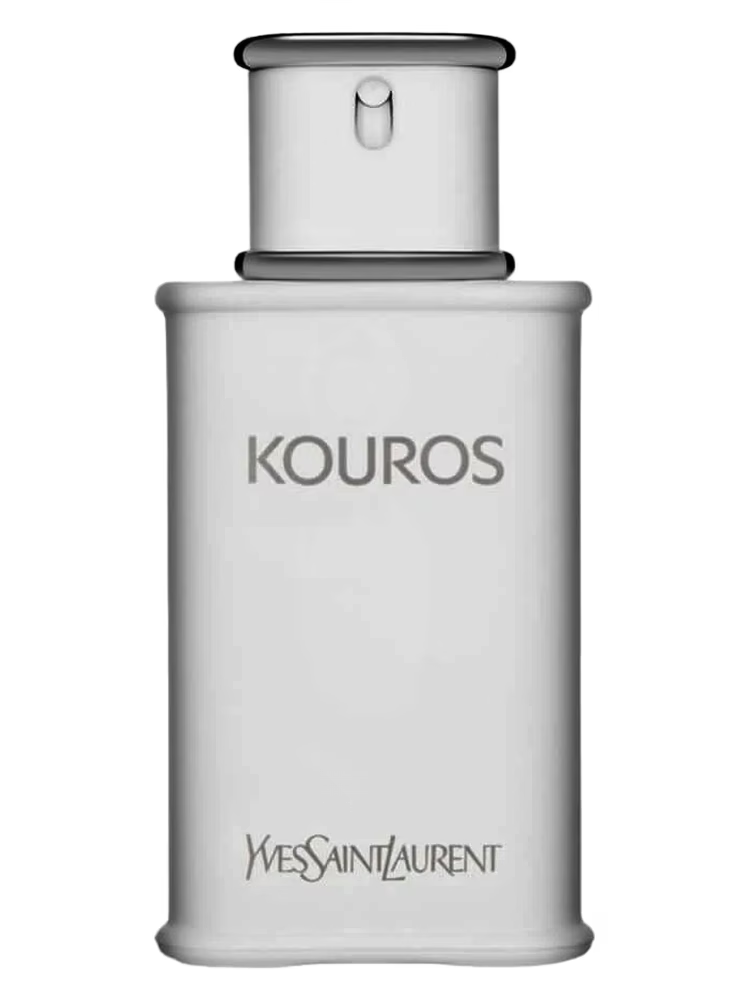
Kouros

Yves Saint LaurentEDT

Walks into the room from 1981 and refuses to apologize for any of it.
Kouros

Kouros is what masculines were allowed to do in 1981, before IFRA decided everyone needed to chill out. Pierre Bourdon built it around bergamot, honey, civet, incense, leather, and patchouli — animalic, dense, and slightly insane in a way no modern designer release dares replicate. The opening is a strange clean-soapy aldehyde flash that throws people off the first time; the heart and base are where Kouros becomes itself.

The reformulated bottle is gentler than the vintage. Even so, it projects harder than 90% of modern masculines and lasts eight to ten hours easy. Wear this when your daily-driver rotation is all reading too safe and you've decided to take the room seriously for once. Cold weather earns it; the warm-weather version is for people who don't actually understand the original. See the full breakdown.

The 1966 Reference
Score88/100

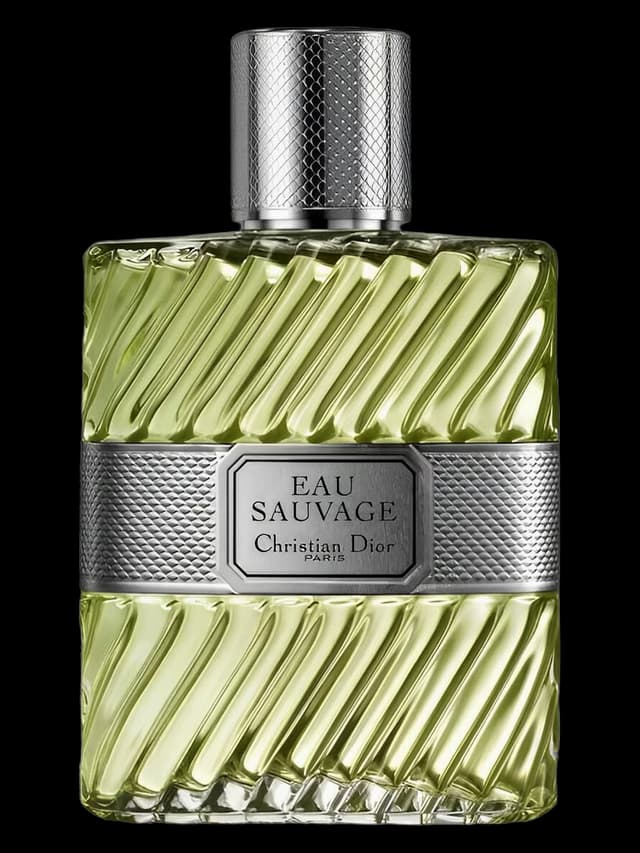
Eau Sauvage

DiorEDT

The citrus masculine the rest of the industry still owes royalties to.
Eau Sauvage

Eau Sauvage is Edmond Roudnitska's 1966 reinvention of masculine perfumery. The first major fragrance to feature Hedione — the synthetic jasmine note that became the foundation of every clean modern masculine that followed — and the bottle that taught the industry citrus could read polished instead of drugstore-barbershop. Lemon and bergamot on top, basil and rosemary through the heart, oakmoss and vetiver settling into a base that reads more linen-suit than aftershave. The composition smells deliberately restrained, which in 1966 was a radical idea and in 2026 still reads remarkably current.

Four to six hours of close-range presence on most skin — Roudnitska wasn't building a beast. Spring and summer is the natural zone; the daytime fresh-citrus profile is built for warm weather and reads slightly sparse in cold. The EDT is the version to buy. At $80–$120 it's one of the easier add-ons to a serious collection. If your shelf is heavy on ambroxan-modern designers and missing the bottle that started the clean-citrus lineage, this is where to fix that. See the full breakdown.

Frequently Asked Questions

What makes a fragrance a 'timeless classic'?

Two tests, and we're rigorous about both. The composition is still selling at volume forty years (or fifteen years) after launch. And it's still influencing what comes after — every modern aquatic owes Cool Water, every sweet masculine owes Le Male, every gourmand-tobacco owes Tobacco Vanille. A cologne that's old isn't a classic. A cologne the rest of the industry is still answering to is.

How strict is the modern cutoff?

Looser than it looks. The principle is that the modern bottle still has to deliver what made the original famous — and most pre-1980 masculines fail that test. Pour Monsieur and Habit Rouge have been reformulated past the point where the current bottle reads like the legend; vintage hunters spend $300+ chasing decants of the originals because the modern ones don't deliver. Eau Sauvage (1966) is the exception we made room for: Dior has kept the modern bottle astonishingly close to Roudnitska's original. Pre-1966, you're buying nostalgia, not a fragrance you'll actually wear.

Do I need to own all of these?

No. The list is reference, not a shopping cart. Most men should own one or two as anchors — typically the one that matches their existing style most directly — plus a modern daily driver. If you're starting from zero, Bleu de Chanel and Tobacco Vanille between them cover most of the contexts a working adult dresses for. Add Fahrenheit or Kouros when you're ready for something with more character.

Is Creed Aventus really a classic? It's only 15 years old.

Yes. The classic test isn't age alone — it's influence and durability. Aventus spawned a clone industry within five years of release, redefined what a niche masculine could sell at scale, and shows zero signs of fading. It earned the slot the same way Tobacco Vanille did three years before it.

What about Bleu de Chanel vs Sauvage?

Sauvage is the best-selling masculine of the modern era and will probably end up on this list in five years. We left it off this round because Bleu de Chanel does the versatile-modern-Chanel job more cleanly and because most readers asking about "classics" don't need Sauvage on a list — they already own it. Bleu is the under-recognized modern classic of the two.

Are reformulations a problem with these older fragrances?

Yes, technically. IFRA restrictions have lowered oakmoss, civet, and certain musks across the board. The pre-1990 bottles on this list (Eau Sauvage, Kouros, Cool Water, Fahrenheit) are tamer than their original formulas. But the bones are intact, and chasing vintage at auction prices rarely justifies the gap. Buy the modern bottle and stop overthinking it.

Related guides