YSL Libre vs. Coco Mademoiselle
Ask anyone for a designer women's perfume recommendation and these two names come up before any others. They run in the same ad budgets, sit on the same department-store counters, and get bought as safe choices by the same gift-list shoppers. But they aren't the same buyer, and pretending they are is why so many people end up wearing the wrong one. See our best women's perfumes of 2026 for the broader context this comparison fits into.
Quick Verdict
Both are excellent and both deserve their shelf space. Coco Mademoiselle is the polished, put-together classic: rose, patchouli, and citrus that reads as composed before you say a word. YSL Libre is the warmer, more modern one: lavender, orange blossom, and Madagascar vanilla with a softer, more inviting signal. Coco is the hotel lobby. Libre is the dinner party that runs late. Pick accordingly.
The Scents, Side by Side
#1 · Most Inviting
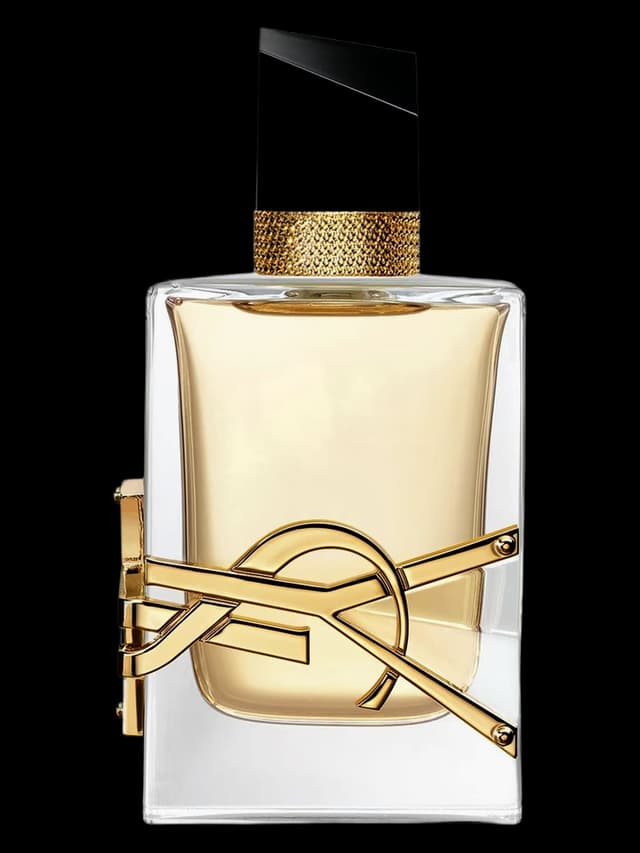
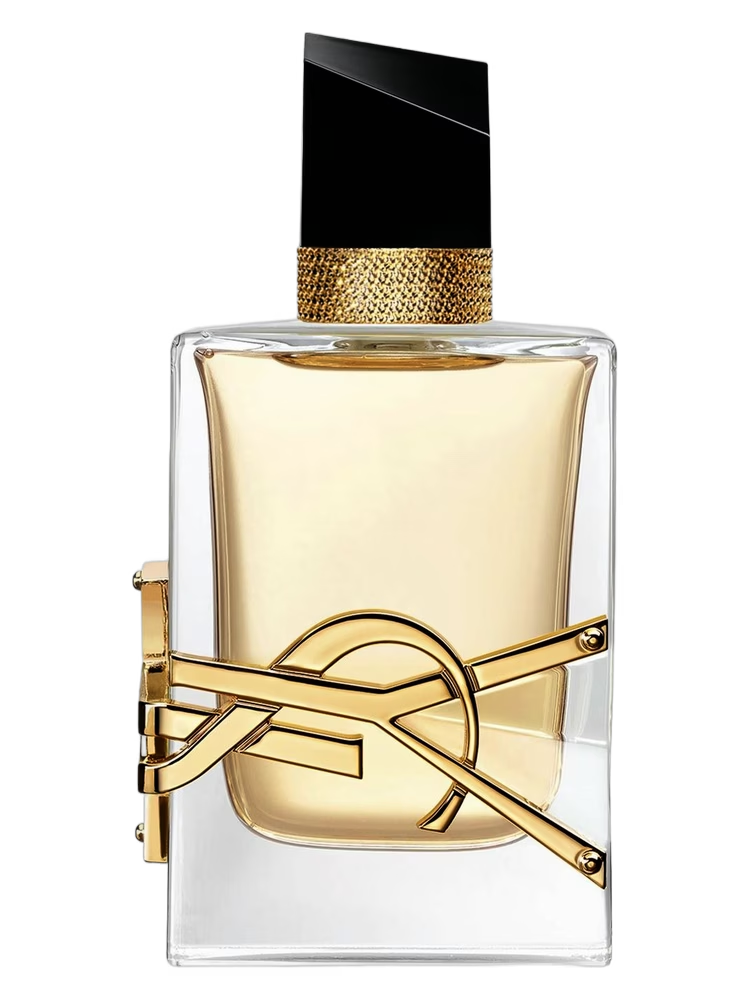
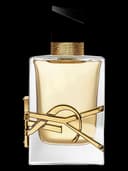
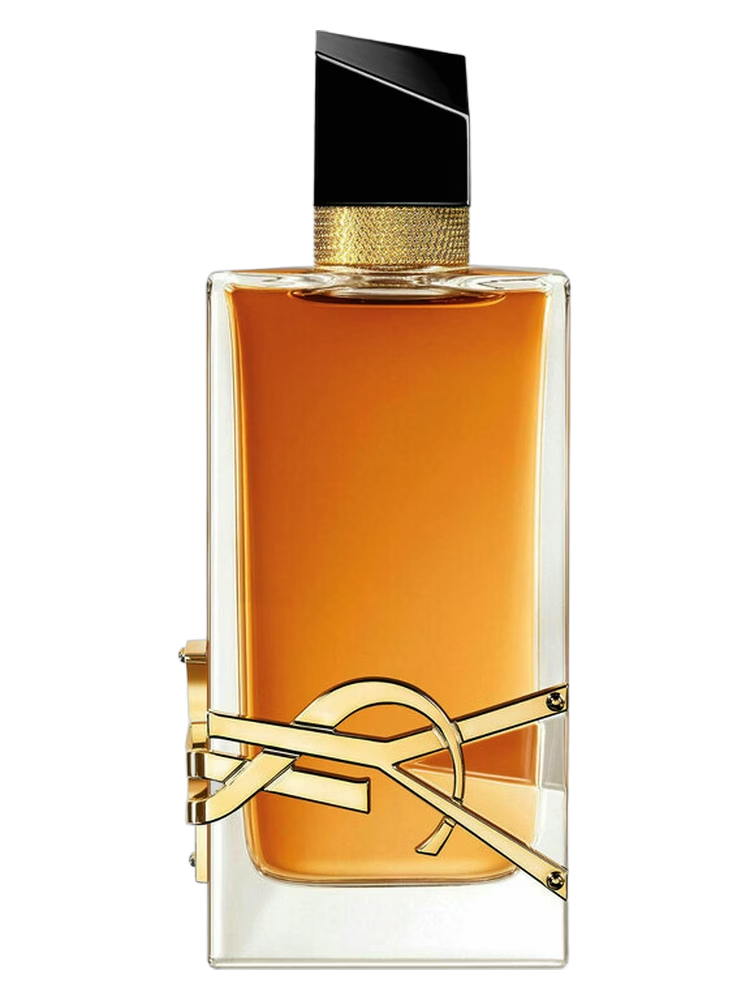
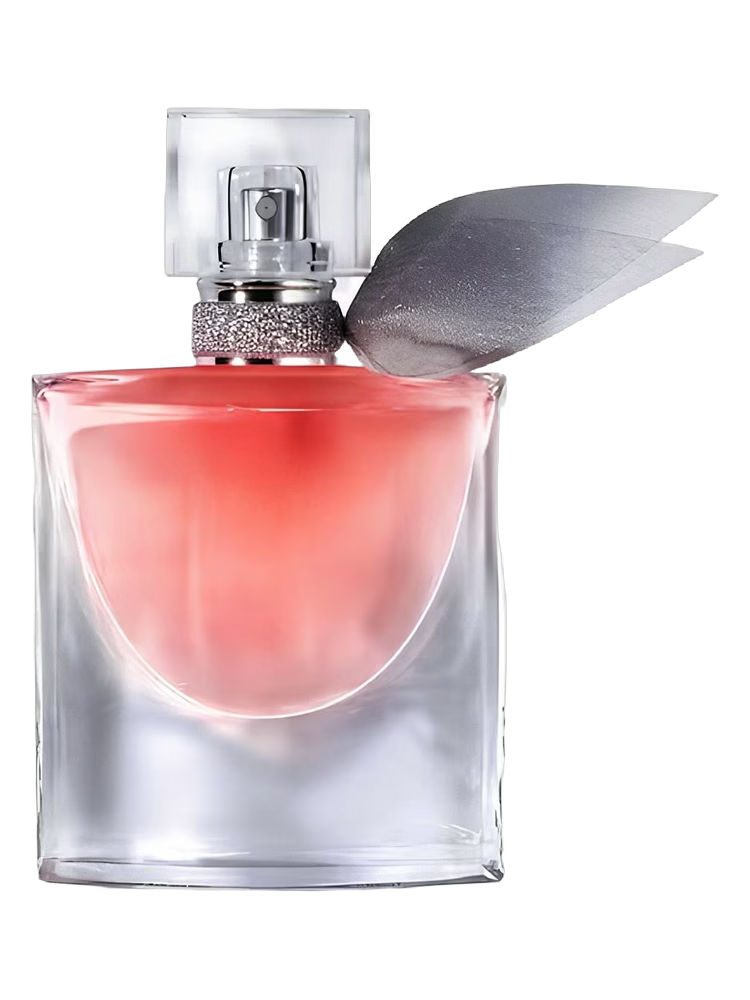
Libre
Yves Saint LaurentEDP

“Lavender, orange blossom, and Madagascar vanilla. Warm in a way that leans in rather than dresses up.”
Top
Mid
Base
When to wear
#2 · Most Polished
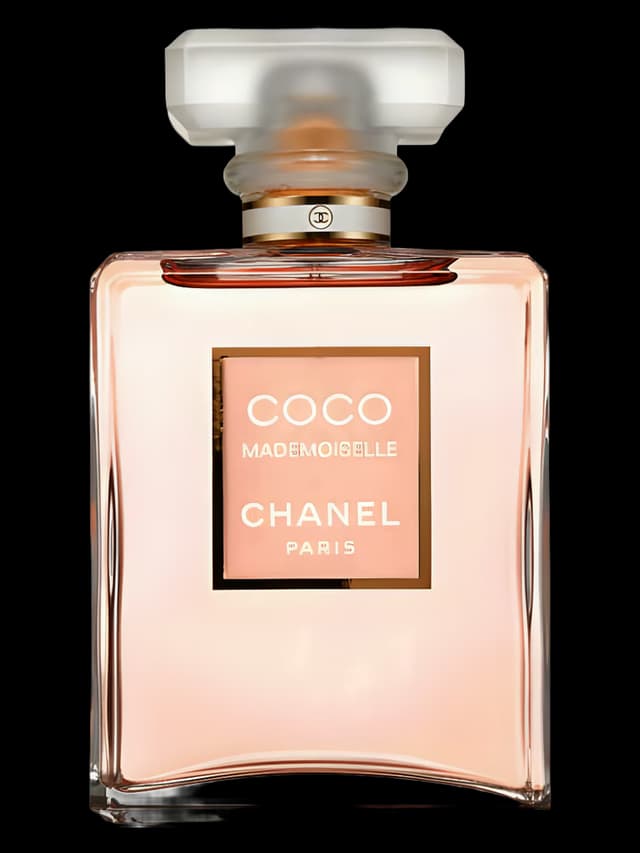
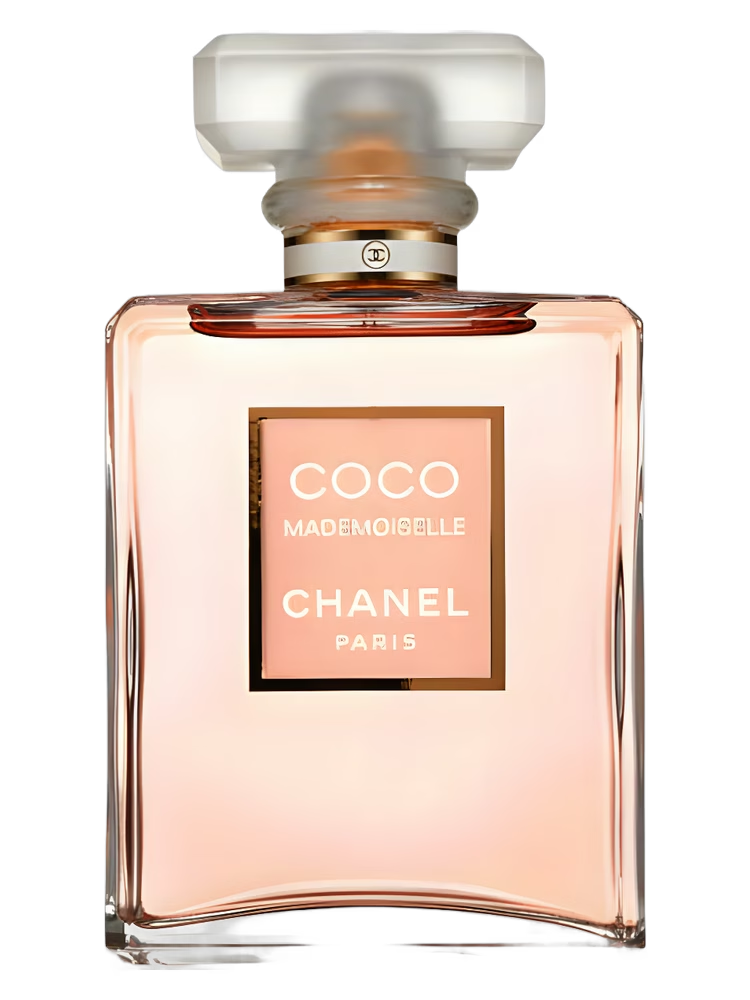
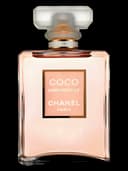
Chanel Coco Mademoiselle
ChanelEDP

“Citrus, rose, patchouli, and white musk. Composed in a way that reads capable before anyone speaks to you.”
Top
Mid
Base
When to wear
Scent Profile
YSL Libre EDP
Libre opens with a loud lavender-and-mandarin accord braided with black currant and petitgrain. The lavender is the loud voice: bright, aromatic, almost unisex in a way that separates Libre from every other designer women's perfume on the same shelf. The currant keeps the opening from reading too herbal and pulls a little fruit out of the top.
The heart holds the lavender and layers in Tunisian orange blossom and jasmine, and this is where Libre becomes its own thing. Orange blossom is the defining note, not the lavender, and it's done with a softness that reads inviting rather than floral-formal. The base is Madagascar vanilla, musk, cedar, and ambergris. Warm, clean, slightly gourmand at the edges without ever tipping into dessert. This is the most wearable end of the oriental-fougère category, and the reason it became a signature scent for a generation of buyers who didn't want another rose perfume.
Chanel Coco Mademoiselle
Coco opens bright and citrusy: orange, mandarin, bergamot, and grapefruit over a whisper of orange blossom. It reads as a designer's idea of clean rather than a literal one. The opening is sharper and drier than you expect from a chypre floral, and that sharpness is the signal. Something in the first ten minutes tells people you dressed up for this.
The heart is Turkish rose, jasmine, mimosa, and ylang-ylang, which is the classical-feminine engine room. The citrus fades and the florals take over without ever going powdery. The drydown is where Coco earns its reputation. Patchouli, white musk, vanilla, and vetiver create a chypre base that sits close to skin and stays composed all day. It's refined in the literal sense: every note has been sanded down until it reads as appropriate. Coco doesn't try to charm you. It tries to not make a mistake, and on that it doesn't.
Performance
Both hold through a full workday on most wearers, which is not a given in designer women's perfume where plenty of bottles at this price point are gone by lunch. Projection on both is moderate-to-strong. Neither is trying to fill a room, and neither will vanish at hour three.
Libre runs roughly seven to nine hours on skin, with most of its projection happening in the first three hours while the lavender and orange blossom are forward. After that it holds as a warm vanilla-amber skin scent that stays detectable without ever getting loud. It projects a touch harder in cool weather than in heat, where the vanilla-amber base can read heavier than the opening suggests.
Coco runs comparable longevity with a quieter projection curve. The citrus top keeps the first hour restrained by design, and the patchouli base settles into a soft, close skin scent that people close to you notice and people across the room don't. This is deliberate. Coco was engineered to read as appropriate in rooms full of other people, not as a statement across one. On pure performance the two are closer than their scent profiles would suggest.
When to Wear Each
For the office, Coco is the safer call. The citrus-patchouli structure was built for composed, professional settings, and there is genuinely no workplace where Coco reads wrong. Libre works in most offices at one or two sprays, but the vanilla-amber base is warmer and more personal than Coco's, and formal corporate environments sometimes read that as off-register for a Tuesday at nine.
For date night, both work and they signal different things. Coco signals composed, put-together, knows what she's doing. Libre signals warmer, more inviting, a little closer. If the night is dinner at a nice restaurant, both are right. If the night is dinner followed by something slower, Libre is the one people remember.
On season, Coco is genuinely year-round with a slight spring bias when the citrus top pops. Libre is also year-round but leans into cool weather, where the vanilla and amber have room to breathe without getting heavy. In peak summer heat, Coco is the smarter pick. In October through March, either works and Libre arguably edges it.
On age, Coco skews slightly older in perception, not actual wearer demographics. It's worn well from 20s through 50s, but the signal it sends is composed and classical, which reads more mature regardless of who's wearing it. Libre skews slightly younger for the same reason in reverse. The modern oriental-fougère structure reads contemporary, which reads younger by default. Neither one is age- locked, and both wear perfectly well on the other side of the read.
Value
Street prices land in the same band. Both are priced where replacing a bottle isn't a budget decision but isn't a thoughtless one either. The value question here isn't about dollars. It's about which bottle earns signature-scent status for the specific wearer.
Coco is the better single-bottle pick. It covers more contexts cleanly, reads appropriate in nearly every room, and wears well across a wider age range without any asterisks. If you're only going to buy one designer perfume and you want it to do the heaviest possible lifting, Coco is the smart default.
Libre is the better pick for anyone who already owns something classical and wants contrast. If Coco or a rose-forward designer is already in rotation, Libre adds a warmer, more modern axis that a second classical bottle wouldn't. That's a real slot in a collection, and it's why the two coexist rather than compete.
The Verdict
Buy YSL Libre if:
- →You want a perfume that reads warm and a little sensual without tipping into gourmand
- →The word "classic" in a fragrance description is a turn-off, not a selling point
- →Cool-weather evenings are when you reach for perfume the most
- →You like orange blossom and lavender and you want them done expensively
- →Your existing collection already has something polished and you want contrast
Buy Coco Mademoiselle if:
- →You want one bottle that covers the office, the interview, and the dinner
- →"Classic" and "put-together" are things you actually want to signal
- →You'd rather have a scent that reads appropriate anywhere than one that surprises
- →This is your first real perfume and you want the one it's hardest to wear wrong
- →You already own something warmer on weekends and you need a weekday workhorse
Consider owning both if:
- →You're building a collection and want a classic weekday bottle and a warmer evening one
- →You already own Coco and weekends leave you wanting something with more personality
- →You already own Libre and Monday mornings keep feeling like the wrong moment for it
- →Your social calendar is genuinely split between composed rooms and warmer ones
Frequently Asked Questions
Is YSL Libre or Coco Mademoiselle better?
Neither is objectively better. They solve different problems for different buyers. Coco Mademoiselle is the polished, put-together classic built for composed rooms and the widest possible range of contexts. Libre is the warmer, more modern oriental-fougère with a softer signal. If you want one bottle that works everywhere, Coco is the safer buy. If you want something that reads contemporary and inviting, Libre is the smarter pick.
What's the difference between Libre and Coco Mademoiselle?
Different scent DNA. Coco opens with citrus (orange, mandarin, bergamot, grapefruit) over a Turkish rose and jasmine heart, drying down to patchouli, white musk, and vanilla. It reads as a composed chypre floral. Libre opens with lavender, mandarin, black currant, and petitgrain, moving through orange blossom and jasmine into Madagascar vanilla, musk, cedar, and ambergris. It reads as a warmer oriental-fougère. The two get compared because they're both top-selling designer women's EDPs, not because they share DNA.
Which lasts longer, Libre or Coco Mademoiselle?
Both run roughly seven to nine hours on skin, which is strong for designer perfume at this price point. Libre projects a little harder in the first three hours while the lavender and orange blossom are forward. Coco's projection stays quieter throughout by design, with a close patchouli drydown that lasts just as long. On pure hours the two are close. On opening impact Libre has the edge.
Is Libre more mature or youthful than Coco Mademoiselle?
Libre reads slightly younger and Coco reads slightly more mature, but that's signal, not a wearer lock. Coco's composed classical structure reads established and put-together regardless of who's wearing it. Libre's modern oriental-fougère structure reads contemporary, which reads younger by default. Both wear perfectly well across 20s through 50s and beyond. If you want a perfume that signals classical confidence, Coco. If you want something that signals modern warmth, Libre.