“The perfume that cleared rooms in 1985 and still demands an entire elevator to itself.”
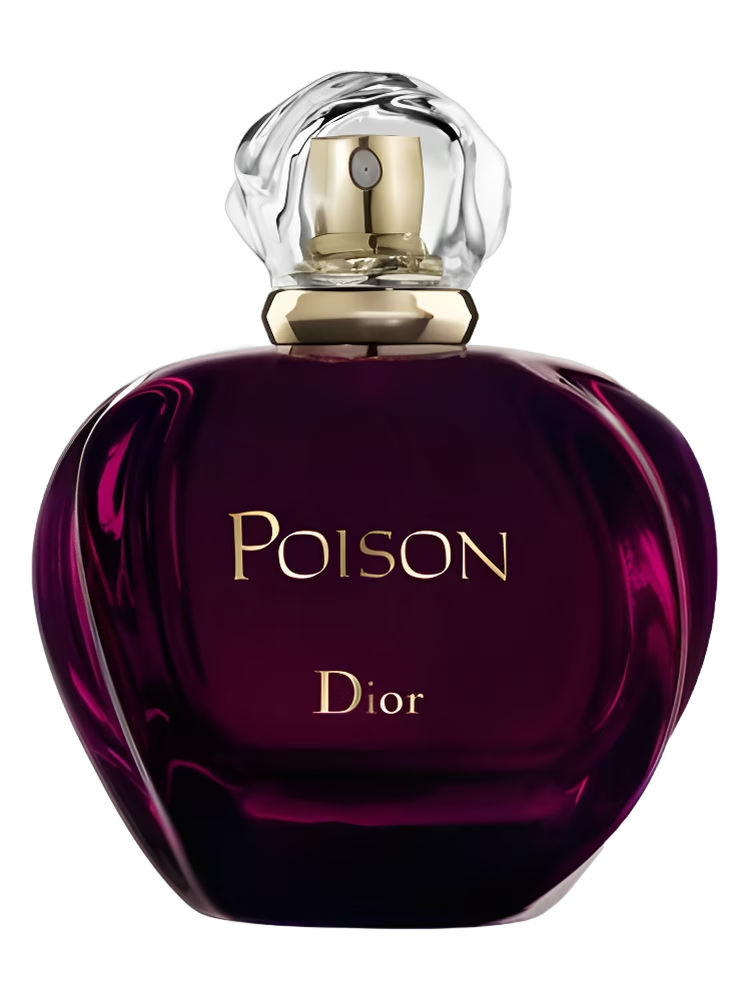
Released 1985, the founding launch of Dior's Poison line — Edouard Fléchier's plum-tuberose composition became one of the loudest and most divisive feminine releases of the 80s. Plum at the top, a tuberose-incense heart, settling on a vanille-amber drydown. A winter evening fragrance. Spawned three concentration siblings (Esprit de Parfum, Extrait, Cologne) and anchored the broader Poison line.
The take
What works
- ●Legendary powerhouse status — literally caused airport complaints
- ●Utterly singular animalic-floral DNA — no modern equivalent
- ●Still in production 40 years later for good reason
Trade-offs
- ●Must be applied with extreme restraint
- ●Heavy animalic tuberose isn't for minimalists
More from Dior
Notes
Top
Mid
Base
Performance
Fit
Best in winter, at night. Fall works too. Leans feminine.
When
- Spring, 22%
- Summer, 14%
- Fall, 68%, works
- Winter, 91%, best
- Day, 29%
- Night, 100%, best
Occasions
Gender
Smells like
Similar scent DNA — if you own one, you may not need the other
You might also like
Popular with fans of Poison
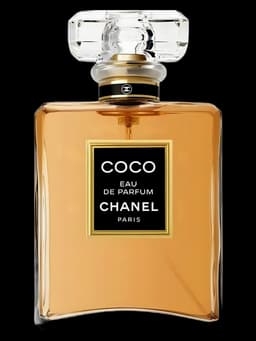
Chanel
Coco
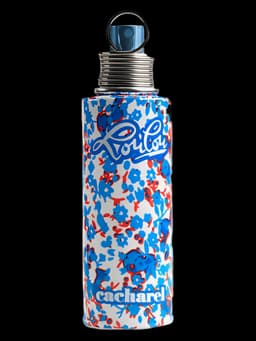
Cacharel
LouLou
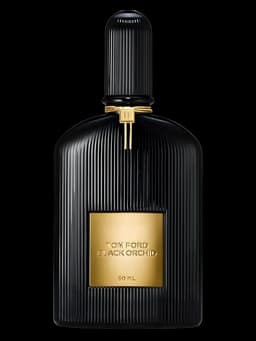
Tom Ford
Black Orchid EDP
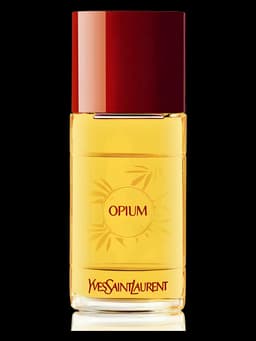
YSL
Opium
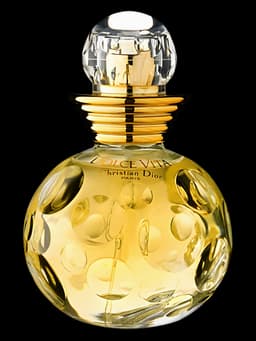
Dior
Dolce Vita
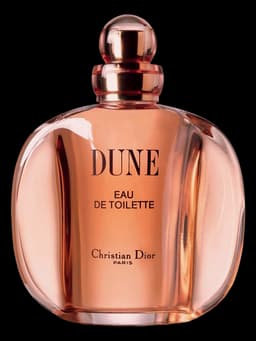
Dior
Dune
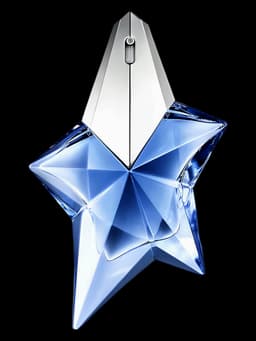
Mugler
Angel EDP
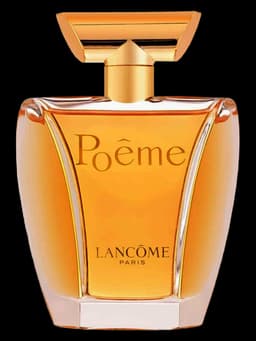
Lancôme
Poeme
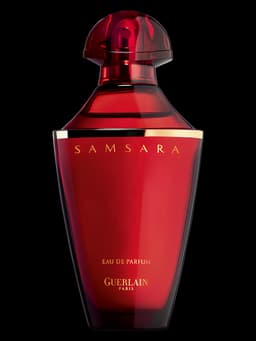
Guerlain
Samsara Eau de Parfum
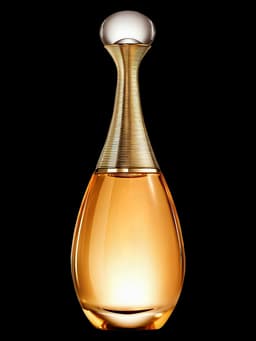
Dior
J'adore
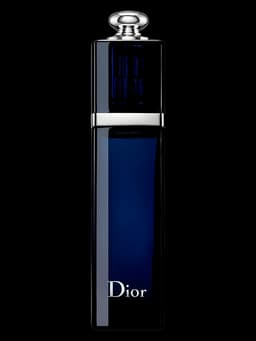
Dior
Addict
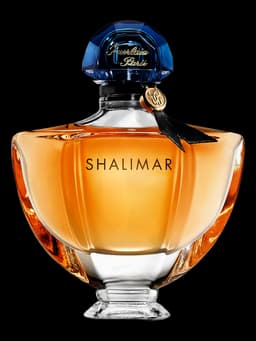
Guerlain
Shalimar EDP
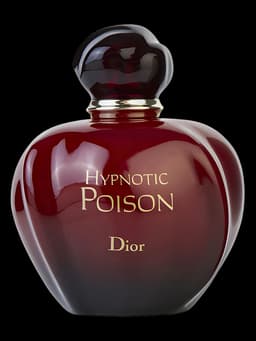
Dior
Hypnotic Poison EDT
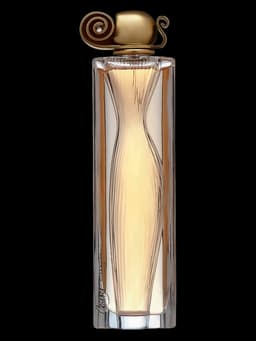
Givenchy
Organza
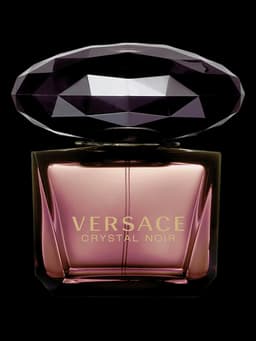
Versace
Crystal Noir
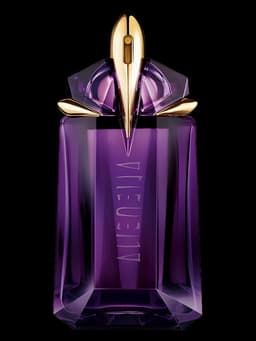
Mugler
Alien
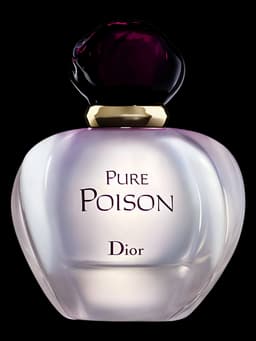
Dior
Pure Poison
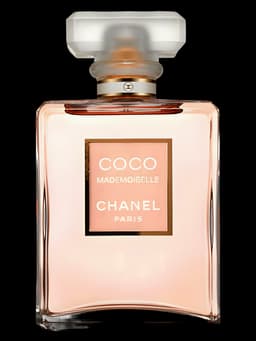
Chanel
Coco Mademoiselle EDP
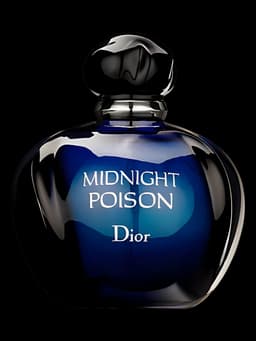
Dior
Midnight Poison
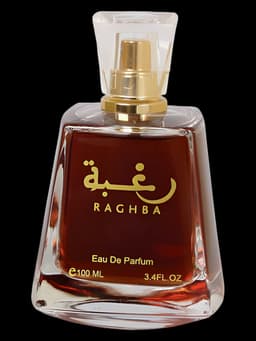
Lattafa
Raghba
Frequently Asked Questions
What does Poison smell similar to?
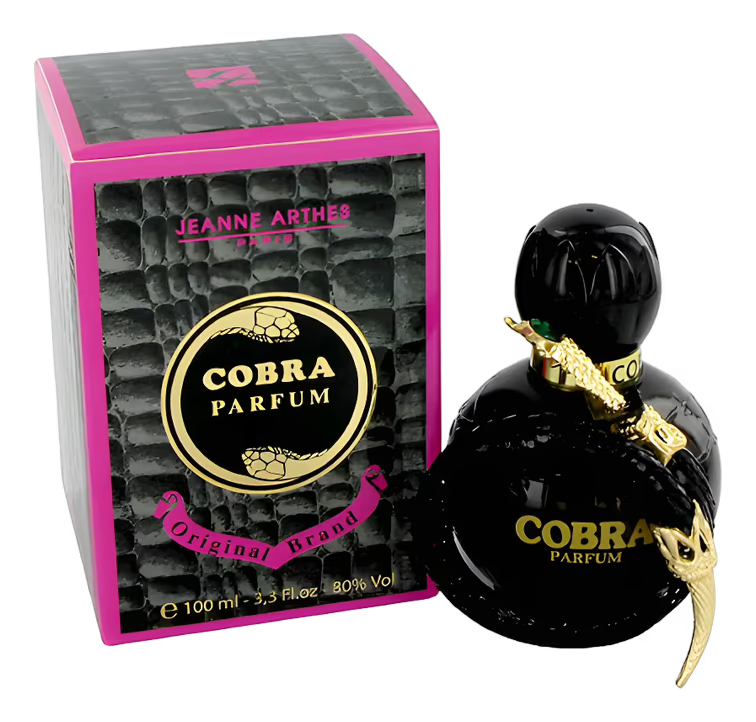
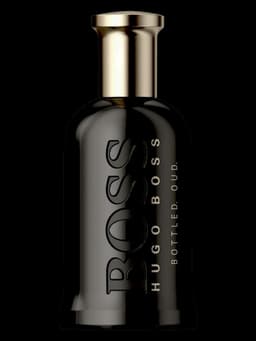
Closest matches in our database: Jeanne Arthes Cobra (73%), Cacharel Le Jardin LouLou (60%), Hugo Boss Boss Bottled Oud (100%). Close siblings — adjacent compositions in the same family.
How long does Poison last?
8–10 hours on most skin (excellent longevity) with heavy sillage.
When should you wear Poison?
Poison is best in winter, at night. Fall works too. It suits date nights, nights out, and special occasions.
Is Poison worth it?
At $90–$135, fine — with caveats. Legendary powerhouse status — literally caused airport complaints. Utterly singular animalic-floral DNA — no modern equivalent.