“Carnations and hope — the perfume made for a world that just survived itself.”
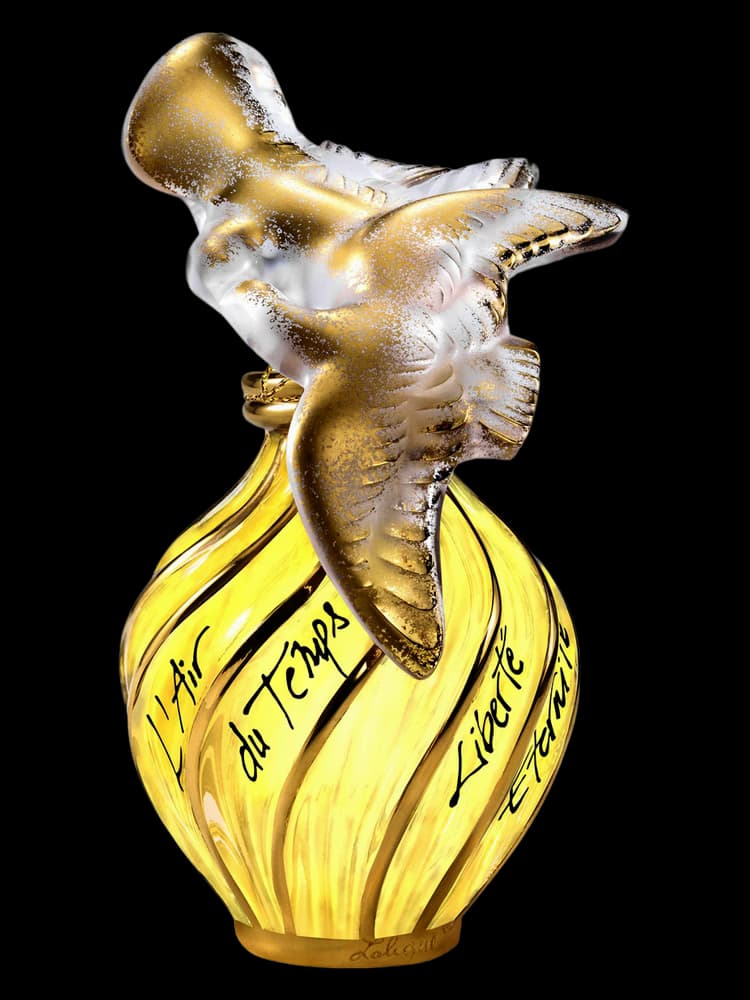
Released in 1948, Nina Ricci's L'Air du Temps is widely regarded as a landmark spicy floral, recognizable by its dove-topped flacon. Francis Fabron built it around a clove-spiced carnation over gardenia, settling on iris. Warm spice leads the accords, with floral, woody and powdery facets. The spice keeps the florals warm. A spring daytime scent.
The take
What works
- ●Post-war peace symbol — profound cultural significance
- ●Soft carnation-floral beauty still wearable
- ●Iconic Lalique dove bottle
Trade-offs
- ●Significantly reformulated
- ●Very soft projection on modern skin
More from Nina Ricci
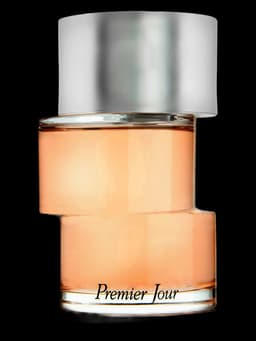
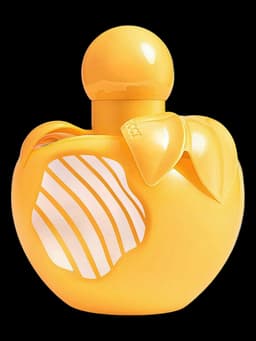
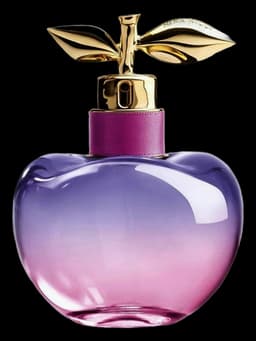
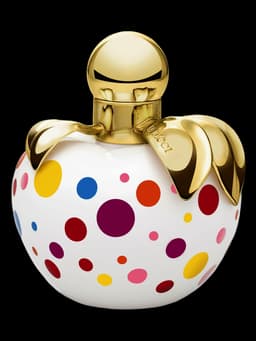

Notes
Top
Mid
Base
Performance
Fit
Best in spring, during the day. Leans feminine.
When
- Spring, 88%, best
- Summer, 42%
- Fall, 61%
- Winter, 37%
- Day, 100%, best
- Night, 34%
Occasions
Gender
Smells like
Similar scent DNA — if you own one, you may not need the other
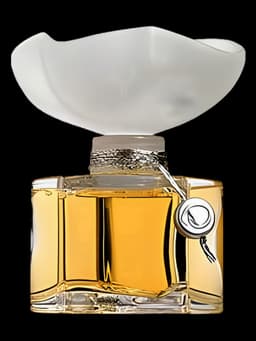
You might also like
Popular with fans of L'Air du Temps
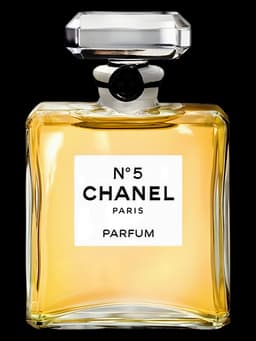
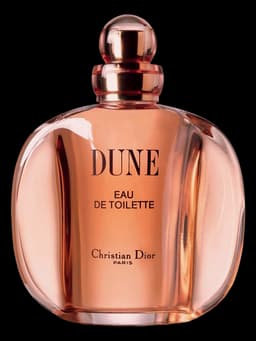
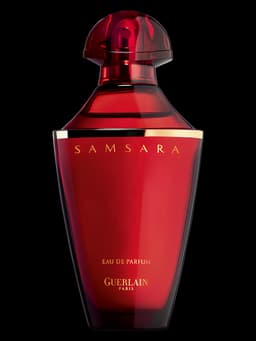
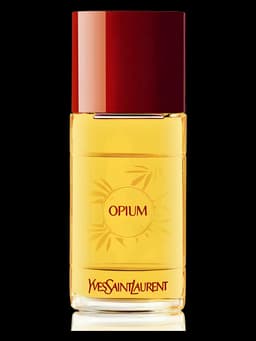
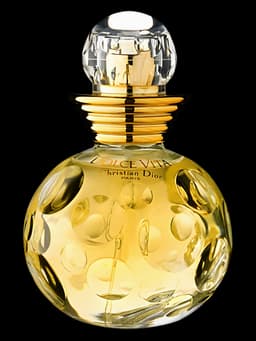
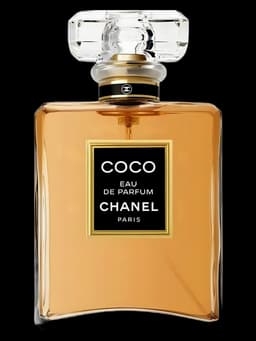

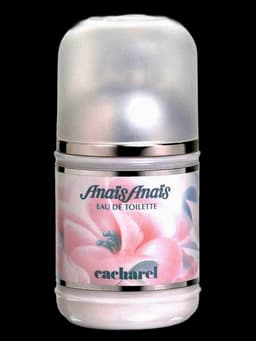

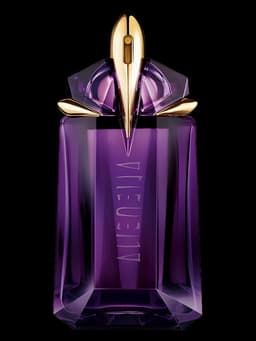
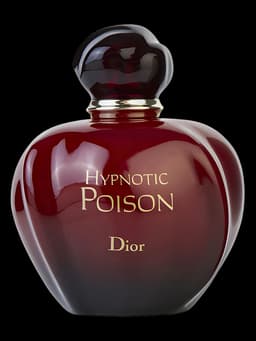
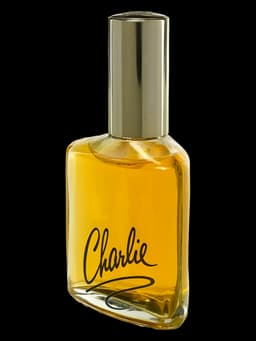
Featured in
Frequently Asked Questions
What does L'Air du Temps smell similar to?
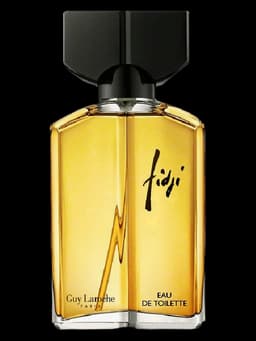
Closest matches in our database: Nina Ricci L'Air du Temps by Starck (74%), Guy Laroche Fidji Eau de Toilette (51%). Close siblings — adjacent compositions in the same family.
How long does L'Air du Temps last?
5–7 hours on most skin (good longevity) with noticeable sillage.
When should you wear L'Air du Temps?
L'Air du Temps is best in spring, during the day. It suits everyday wear and the office.
Is L'Air du Temps worth it?
At $25–$55, fine — with caveats. Post-war peace symbol — profound cultural significance. Soft carnation-floral beauty still wearable.