
The Last Spritz

Popular fragrances

Editor's Pick

Timeless Classics Every Woman Should Own

11 picks13 min read

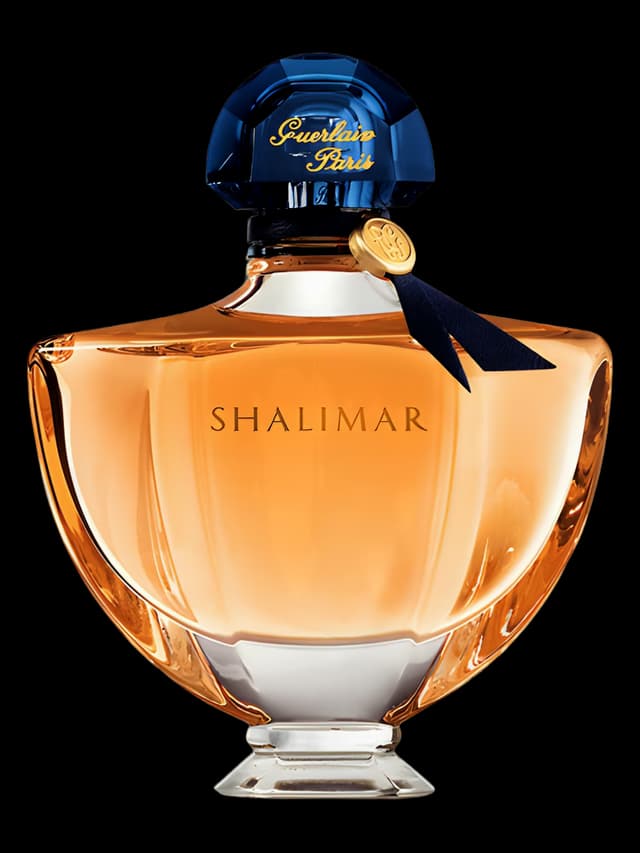
Estée Lauder Beautiful has been on the same Mother-of-the-Bride table since 1985. Forty years of weddings — and forty years of twenty-somethings quietly trying it from the dressing-room counter and deciding it isn't their mother's after all. That's the working definition of timeless in women's perfumery: sustained shelf life, generational pickup, and category influence that hasn't faded. The 11 perfumes below all pass that test. Shalimar (1925) is the earliest pick — Guerlain has kept it astonishingly close to the original, which is rare for a perfume this age. The other pre-1985 institutions (No. 5, Joy, Mitsouko) shaped the industry but the modern bottles read further from their originals — that conversation belongs in a different article.

Shalimar (1925) is the earliest pick. Baccarat Rouge (2015) is the latest. Coco Mademoiselle holds the default-modern-Chanel slot; Angel invented gourmands; Black Orchid is the most unapologetically dark designer feminine ever made. Pick the bottle that fills the gap your collection is missing — the FAQ at the bottom handles what's left.

Quick Picks — Our Top 3

The Wedding Floral
Score75/100

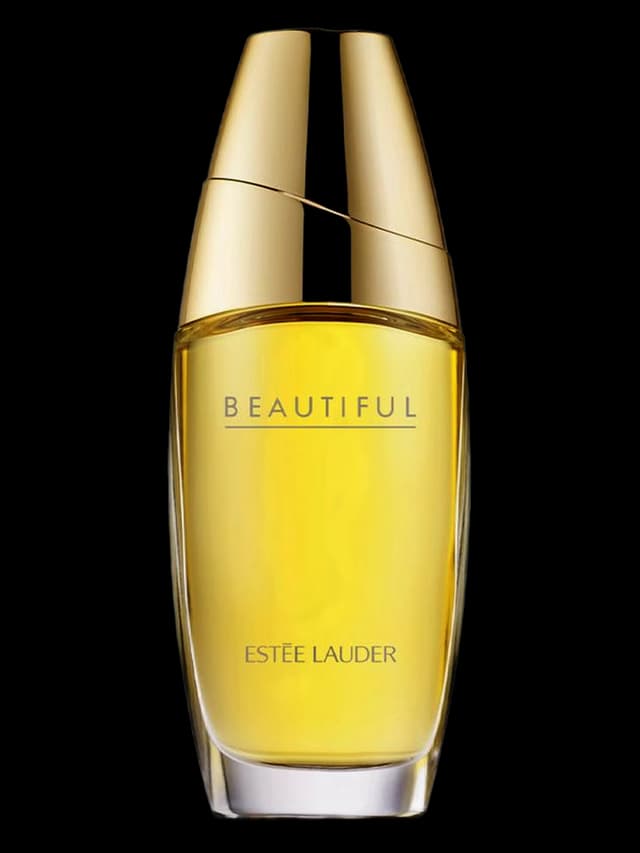
Beautiful

Estée LauderEDP

Smells like the kind of woman who wrote her own wedding vows and meant every word.
Beautiful

Beautiful has been the perfume of every Mother of the Bride since 1985, and the perfume every twenty-something quietly rediscovers and decides isn't actually her mother's anymore. Sophia Grojsman composed it as the deliberate counterweight to the dense orientals everyone else was making in the eighties — rose, lily, tuberose, jasmine, and orange blossom over sandalwood and amber. It reads cheerful. It refuses to apologize for being cheerful.

Eight to ten hours of arm's-length projection — enough to carry an actual wedding day, which is where this has historically lived. Estée Lauder has been smart about reformulation; the current bottle reads essentially like the 1985 original. Buy it when you want a feminine floral that's been earning compliments since before half the modern designer counter existed. See the full breakdown.
The Gourmand Inventor
Score71/100

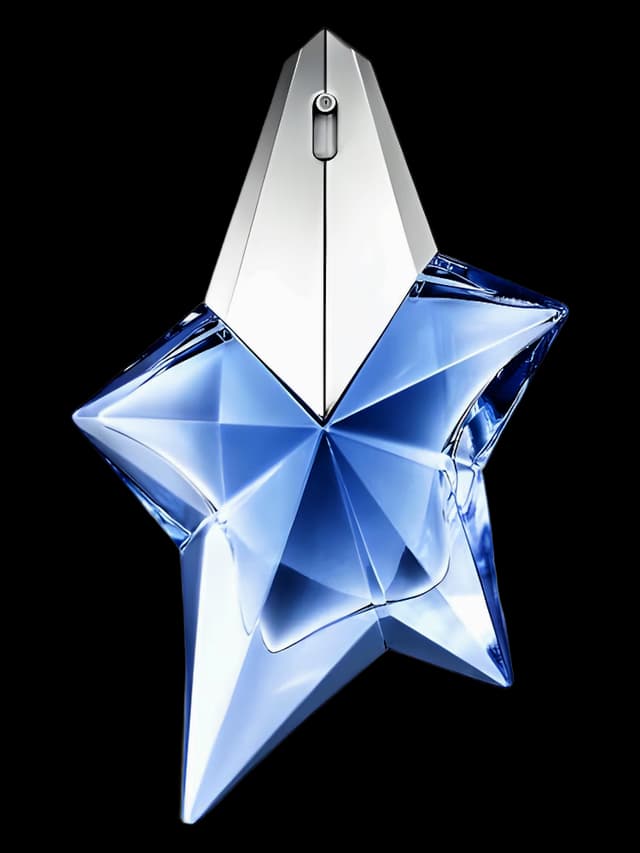
Angel

MuglerEDP

Smells like a French bakery owned by someone who absolutely will not apologize for any of it.
Angel

Angel is the perfume that invented the gourmand category and the perfume that splits dinner tables. Olivier Cresp built it in 1992 around chocolate, caramel, honey, and patchouli — sweet enough to register as dessert, dark enough to register as confident. There is nothing else like Angel from before 1992, and three decades of imitators haven't cracked the patchouli.

One spray is the dose. Two is for the night you've decided the room needs to know you walked in. Industrial performance — ten-plus hours, strong projection on most wearers. Cold weather only; the sweetness collapses into something physically too much above seventy degrees. The polarization isn't a bug, it's how Angel works. See the full breakdown.

The Sweet-Almond Cult Pick
Score87/100

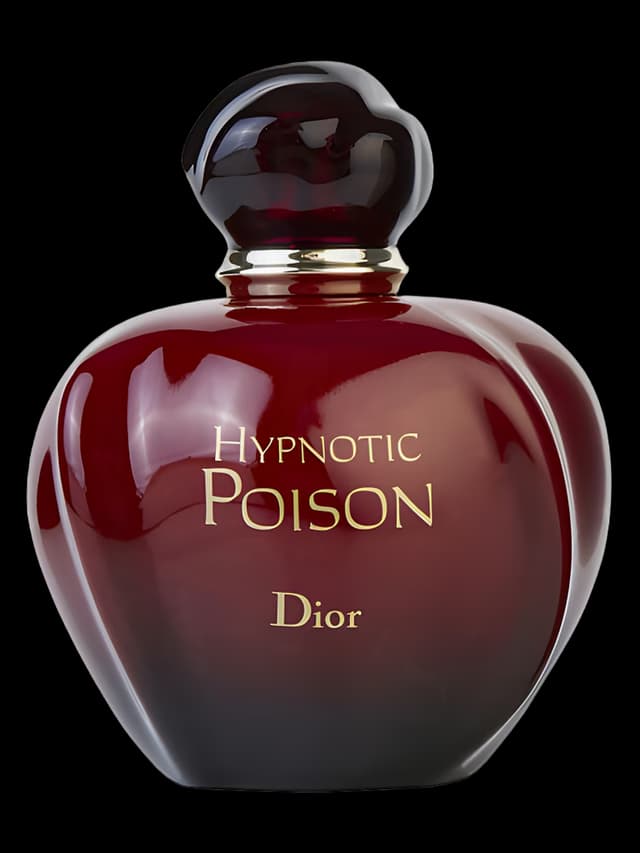
Hypnotic Poison

DiorEDT

Smells like a glass of warm milk laced with something you can't quite identify and probably shouldn't ask about.
Hypnotic Poison

Hypnotic Poison is the perfume that absolutely should have been a flop — almond, coconut, and vanilla in 1998 sounded like a project for the third floor at the mall, not the Dior counter. Annick Menardo built it around exactly those notes anyway, plus jasmine and tuberose for backbone and sandalwood for ballast. The result smells like nothing else at the designer counter and has earned a cult following that competes with bottles three times its price.

Eight to ten hours of warm, persistent presence. The EDT is the one that earned the cult; the EDP is denser and the various flankers (Diablesse, Eau Secrete, Eau Sensuelle) push different directions, none of them quite replacing the original. Cold weather, evening occasions, the date where you've decided to let your perfume do some of the talking. The cult will tell you the price is criminal. See the full breakdown.

The Modern Floral
Score90/100

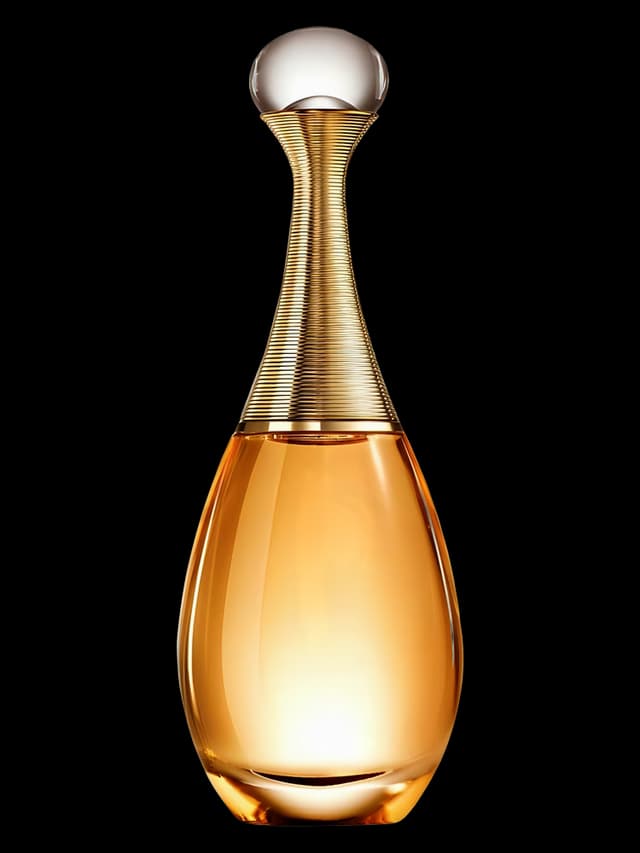
J'adore

DiorEDP

Walks into a room and is completely uninterested in proving anything.
J'adore

J'adore is the modern white floral that decided to be liked by everyone and pulled it off. Calice Becker composed it in 1999 around magnolia and pear up top, a jasmine-tuberose-rose-orchid heart, and a soft musk-vanilla-cedar base. The architecture is deliberately accessible — everyone smells J'adore as elegant, no one finds it offensive, and it's been on the floor of every department-store fragrance counter for 25 years for the boring reason that it works.

Eight to ten hours, arm's-length projection that respects shared air. The EDP is the one to buy; the various flankers (Eau Lumière, L'Or, Intense) shift the balance without replacing it. Buy it when you want a flagship modern feminine that handles everything from office to evening with zero asterisks. See the full breakdown.

The Modern Chanel Default
Score94/100

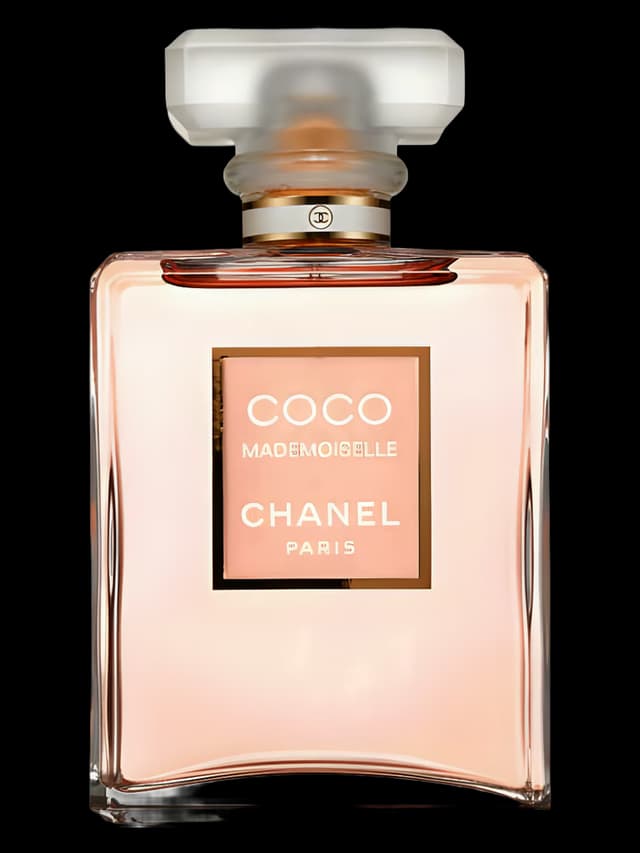
Chanel Coco Mademoiselle

ChanelEDP

Twenty-five years of quietly being the right answer to "what perfume should I wear today."
Chanel Coco Mademoiselle

Coco Mademoiselle is what Chanel does when Chanel decides to make the perfume the most women will actually buy. Jacques Polge composed it in 2001 as a modernization of the classical chypre — orange, mandarin, bergamot, and grapefruit up top, a Turkish rose and jasmine heart, a patchouli-white-musk-vanilla base. Twenty-five years later it remains the default modern Chanel feminine, and it remains that for the boring reason that nobody finds it offensive.

Eight to ten hours, arm's-length projection by design — Coco was engineered to read appropriate in rooms full of other people, not announce itself across one. The EDP is the reference; the Intense is denser for cold weather. If you can only own one designer feminine, buy this one. It won't be the most interesting bottle in your collection. It will be the one you reach for the most. See the full breakdown.

The Sweet Floral Original
Score90/100

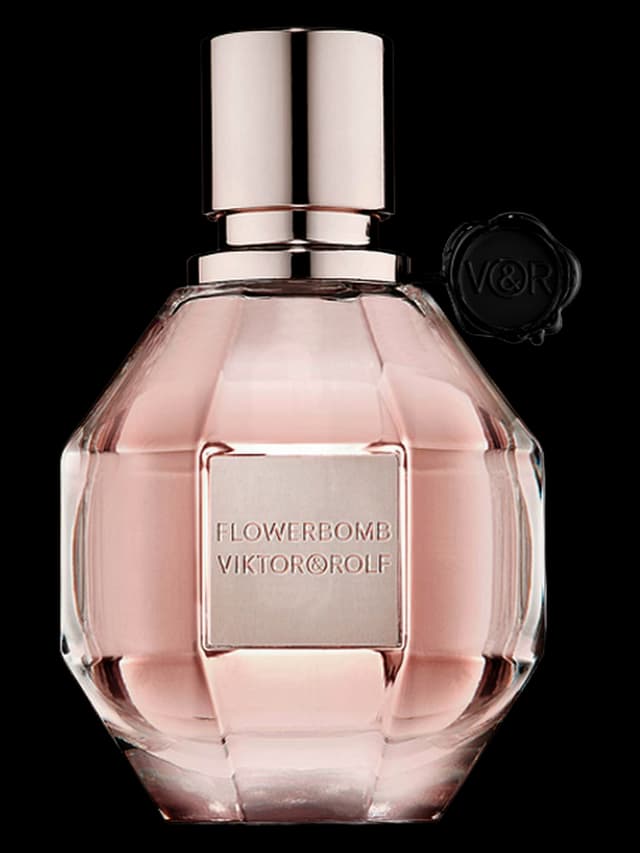
Viktor & Rolf Flowerbomb

Viktor & RolfEDP

Smells like the kind of person who reads the brunch menu before the rest of the table.
Viktor & Rolf Flowerbomb

Flowerbomb is the modern sweet-floral that effectively built the category. Released in 2005, it took the Angel chocolate-patchouli architecture and lightened it into something everyone could actually wear in mixed company — tea, bergamot, and osmanthus on top, a rose-jasmine-orchid-freesia heart, a patchouli-musk-vanilla base that gives it real weight. Two decades later it's still selling at volume because almost nobody dislikes it.

Eight to ten hours, arm's-length projection that holds harder in the opening three — give yourself one spray rather than two on first wears, the patchouli does its own work. Best in mild-to-cool weather; sweetness gets heavy above seventy-five. The Nectar, Midnight, and Dew flankers push different directions; the original EDP is the safer first buy. The grenade-in-pink bottle is part of the brand. See the full breakdown.

The Modern Dark Statement
Score90/100

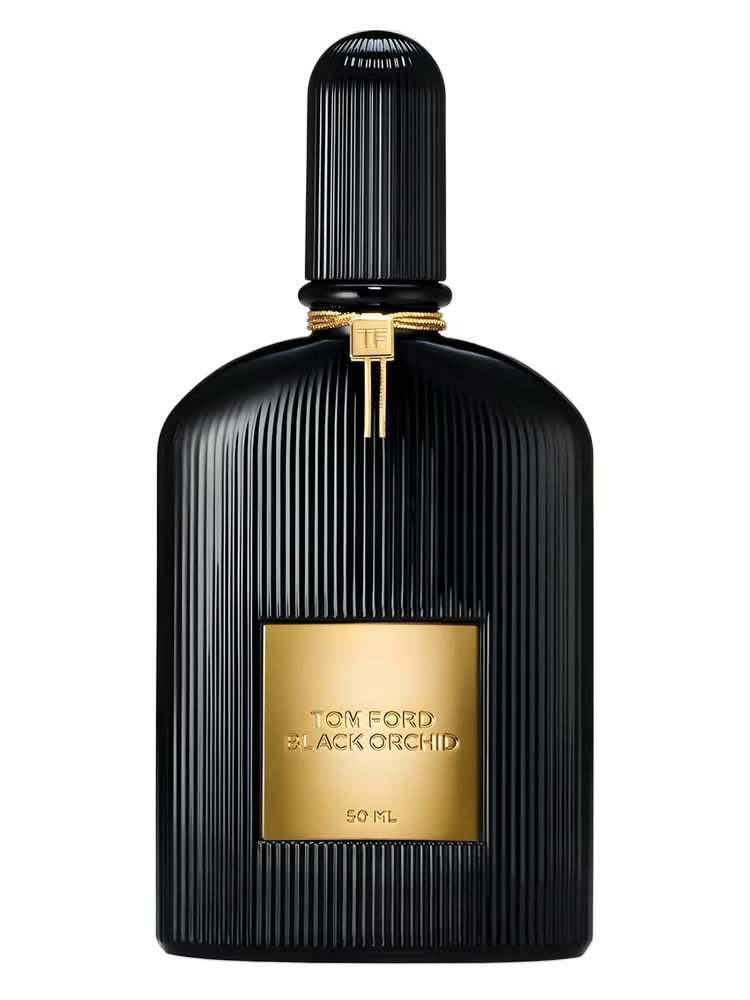
Tom Ford Black Orchid

Tom FordEDP

A perfume composed by someone who has already decided the rest of the room is wrong about something.
Tom Ford Black Orchid

Black Orchid was Tom Ford's first feminine launch and the most accurate one-line description of it is "what if we made a perfume that's the opposite of approachable." Truffle, gardenia, black currant, and ylang-ylang up top. An orchid-spice heart. Mexican chocolate, patchouli, incense, vanilla, sandalwood, and white musk in the base. The composition reads as deliberately gothic — dense, dark, completely uninterested in being liked. Nothing else at the designer-luxury counter does this register.

Genuine ten-plus hours of arm's-length projection with a strong trail behind it — this is not an office fragrance at standard spray counts, and probably not at one spray either. Cold weather and evening wear are the sweet spot. The Parfum is denser still and worth the upgrade for the wearer who's made Black Orchid a signature. Twenty years old, still selling, still defining a register no other house executes this confidently. See the full breakdown.

The Refined Musk
Score87/100

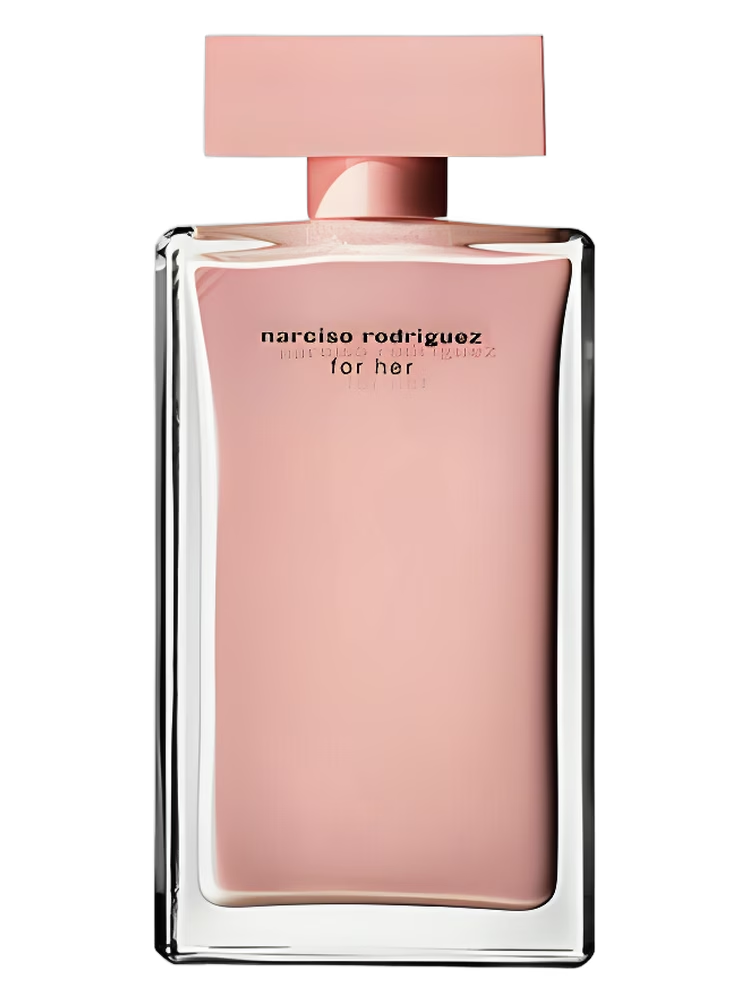
For Her

Narciso RodriguezEDP

Wears the way a black turtleneck does — refined enough to make most other outfits feel like trying too hard.
For Her

Narciso For Her is the perfume that brought clean musks into the modern feminine mainstream. Christine Nagel composed it in 2006 around rose and peach up top, a musk-amber heart, and a patchouli-sandalwood base — minimal, slightly powdery, with the kind of refined quietness that costs more than most people understand. The pink bottle is on every other shelfie in the world for a reason.

Genuine eight to ten hours with arm's-length projection — solid for a musk-forward composition, which usually trades longevity for closeness. The EDP is the one to buy; the EDT is lighter and Musc Noir is denser. For a clean modern feminine with almost no risk of misfire, this is one of the easiest blind buys at the designer price point. Buy it when you find traditional florals stiff. See the full breakdown.

Made for Compliments
Score89/100

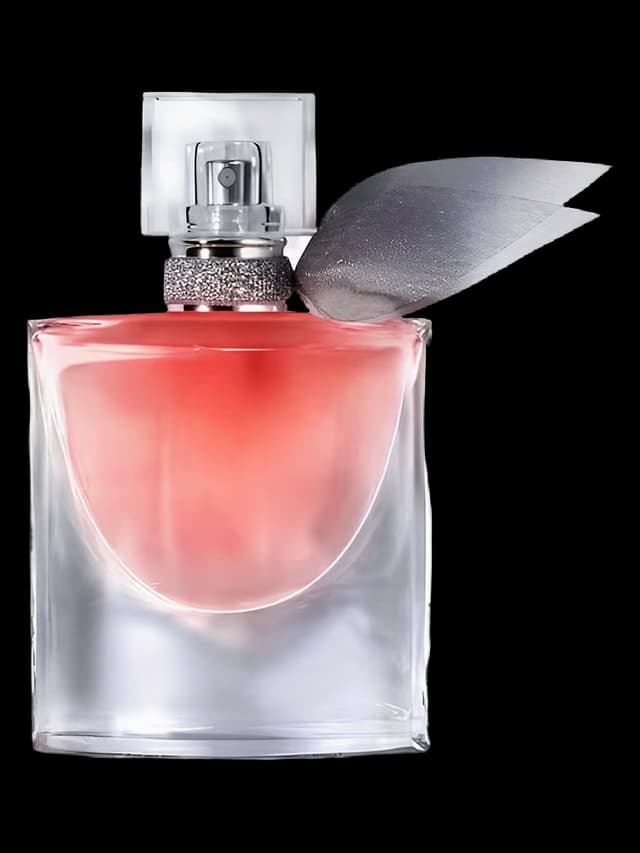
Lancôme La Vie Est Belle

LancômeEDP

The perfume that gets called her signature scent before the wearer ever says it is.
Lancôme La Vie Est Belle

La Vie Est Belle has been one of the top-selling feminines globally since 2012 for a reason that doesn't require overthinking — three perfumers (Olivier Polge, Dominique Ropion, Anne Flipo) worked together specifically to optimize for compliment generation, and they actually succeeded. Iris, patchouli, pralines, and vanilla in a structure that reads warm-sweet-floral without ever going syrupy.

Eight to ten hours of arm's-length projection. The fragrance translates well across age ranges — early twenties through late fifties — and across most contexts except formal corporate. The various flankers (L'Eau, En Rose, Soleil Cristal) push lighter; the EDP is the one to buy. Often on sale at discounters. See the full breakdown.

The Niche Phenomenon
Score92/100

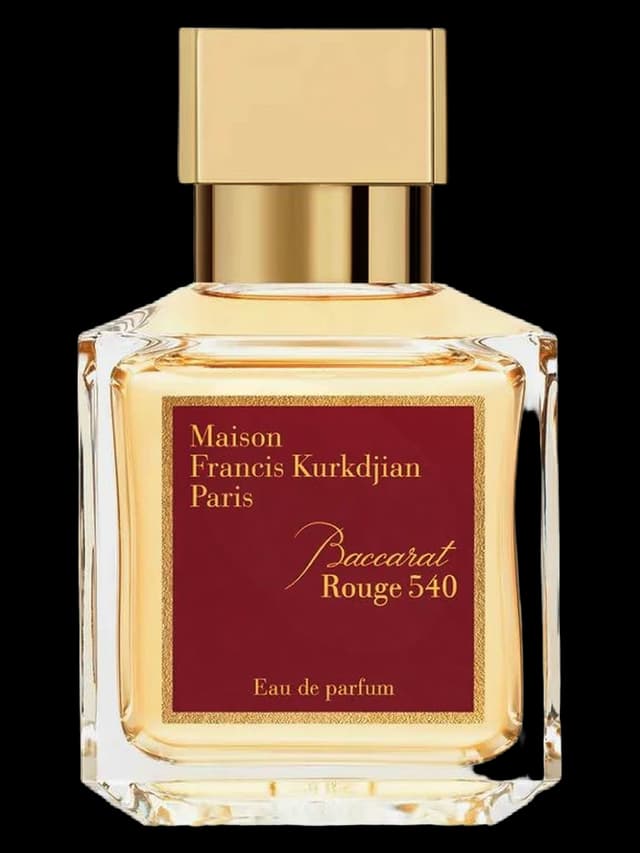
Baccarat Rouge 540

Maison Francis KurkdjianEDP

The bottle every fragrance creator since 2015 has been chasing in their own work.
Baccarat Rouge 540

Baccarat Rouge 540 wasn't supposed to be this. Francis Kurkdjian composed it in 2015 for Baccarat's 250th-anniversary crystal launch — a limited release, modest expectations, niche tier. It became the most-discussed perfume of the decade by accident. Saffron and jasmine on top. An amberwood-ambergris-hedione heart. The fir-cedar-sugar-ambroxan-oakmoss base that defines the whole, and which everyone has spent the last decade trying to identify by ingredient. Sweet, slightly metallic, completely unmistakable.

Ten-plus hours of strong projection and significant sillage. The Extrait is denser still; the Liquidream and Rouge 540 flankers push different directions, but the EDP is the one to buy. The most influential niche release of the last decade, and the bottle every modern ambroxan composition has been chasing since. See the full breakdown.

The Oriental Original
Score84/100

Shalimar Eau de Toilette

GuerlainEDT

The perfume the entire oriental category was named after, still recognizable a century later.
Shalimar Eau de Toilette

Shalimar is the perfume that named a category. Jacques Guerlain composed it in 1925 around bergamot on top, iris and jasmine through the heart, and the Guerlain-house vanilla-tonka base that became the foundation of every modern oriental that followed. Opium, Cinnabar, Coco, every amber-vanilla feminine since — they exist because Shalimar made the structure legible. The EDT is the lighter, daytime-wearable version of the formula the parfum made famous.

Five to seven hours of arm's-length projection — the EDT is the version designed for daily wear, not the parfum's all-day occasion. Best in fall and winter; the vanilla heart collapses into something heavy in summer. At $80–$170 the modern bottle remains one of the rare classical perfumes where reformulation hasn't drifted from what made the original famous. The Parfum is denser and worth knowing once you've decided you love the DNA. If your collection has zero oriental in it, this is the only honest place to start. See the full breakdown.

Frequently Asked Questions

What makes a perfume a 'timeless classic'?

Two tests. The composition is still selling at volume — Beautiful from 1985 still has its shelf, Coco Mademoiselle from 2001 still owns most of its category, Baccarat Rouge from 2015 still has waiting lists. And the bottle influenced what came after — Flowerbomb built the modern sweet-floral category, Angel built the gourmand category, Baccarat Rouge built the modern ambroxan category. A perfume that's old isn't a classic. A perfume the rest of the industry is still answering to is.

Why Shalimar but no Chanel No. 5?

Reformulation discipline. Guerlain has kept the modern Shalimar EDT astonishingly close to the 1925 original, which is rare for a perfume this age — the current bottle reads recognizably like the legend. Chanel No. 5 has drifted further; modern wearers who care about the original go to vintage at $300+ a bottle to find what made it famous. Mitsouko and Joy have the same problem. No. 5 belongs in a different article — the one about perfumes that shaped the industry, not the one about perfumes you'll actually buy and wear in 2026.

Do I need to own all of these?

No. The list is reference, not a shopping cart. Most wearers should own one or two as anchors — typically the bottle that matches the existing taste most directly — plus a modern daily driver. If you're starting from zero, Coco Mademoiselle and J'adore cover most contexts between them. Add an Angel or a Black Orchid when you're ready for something with character. Add a Baccarat Rouge when you've decided to spend real money.

Is Baccarat Rouge 540 really a classic? It's only ten years old.

Yes. The classic designation isn't about age — it's about influence and durability. Baccarat Rouge spawned an entire generation of ambroxan-saffron compositions, redefined what a niche release could sell at scale, and shows no signs of fading. It earned the slot the same way Creed Aventus did on the men's list.

What about Chanel Chance or YSL Libre?

Both are excellent and both are likely on their way to classic status — sustained popularity, distinctive compositions, real cultural traction. They sit more naturally on our best-of-2026 and most-complimented lists. The bottles above lean a little more reference-grade and have already accumulated the decade-or-more of receipts to call them classics with a straight face. Check back in 2030.

Are reformulations a problem with the older perfumes here?

Yes, technically. IFRA restrictions have lowered oakmoss, certain musks, and specific florals. The pre-2000 bottles on this list (Shalimar, Beautiful, Angel, Hypnotic Poison, J'adore) are not identical to their original launches. But the bones are intact, the houses have been more careful than most about preserving character through reformulation, and chasing vintage at auction prices rarely justifies the gap. Shalimar in particular reads astonishingly close to the 1925 original.

Related guides